


Actualización reversible del cuadro digital: conserve su opción de retorno al estado original
A actualización reversible del cuadro digital combina una pantalla de conductor más reciente con una ruta planificada de vuelta al sistema de instrumentos original. Antes de elegir un kit, comprenda qué electrónica original permanece en uso, qué piezas conservar y qué implicaría volver al estado de fábrica.
Algunos vehículos requieren una transferencia de PCB OEM. Otros vehículos utilizan un clúster digital independiente del mercado de accesorios y no requieren que se transfiera la PCB del clúster de instrumentos original en absoluto.
La arquitectura de instalación puede cambiar de un vehículo a otro, pero iKAGOO cree que un principio debe mantenerse constante: conservar el clúster de instrumentos original y preservar una ruta realista de regreso al sistema de fábrica.
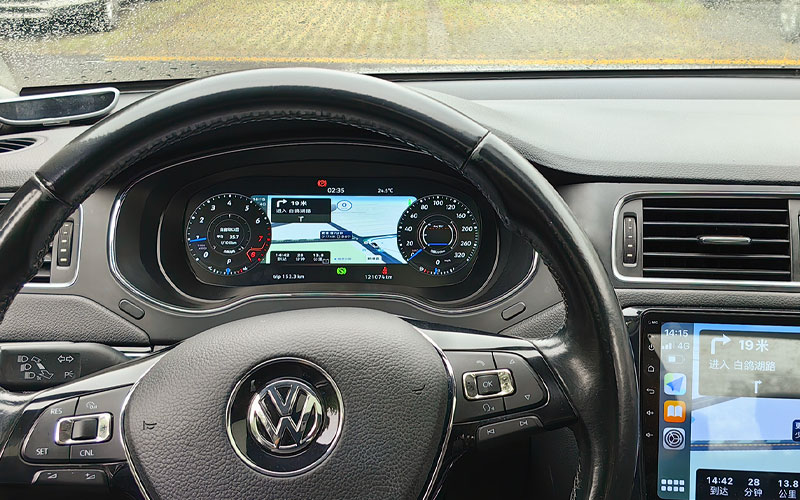
¿Se puede realmente devolver a stock una mejora reversible de clúster digital?
En general, sí, cuando la instalación se diseñó en torno a una ruta de restauración genuina desde el principio.
Eso no significa que cada carcasa de plástico, soporte o pieza de acabado deba permanecer intacta. Una definición verdaderamente útil de reversibilidad se centra primero en proteger los datos originales del vehículo, la electrónica OEM, el cableado de fábrica y la capacidad de reinstalar el sistema de instrumentos original más adelante.
El método exacto de restauración depende de si el vehículo utiliza una transferencia de PCB OEM o un clúster digital independiente.
Pregunte esto antes de comprar
Si este clúster digital del mercado de accesorios falla dentro de cinco años, ¿podré devolver el vehículo a su clúster de instrumentos original?
iKAGOO cree que esta pregunta es más importante que preguntar cuántos temas de salpicadero tiene un producto.
¿Qué significa realmente una actualización reversible del cuadro digital?
La palabra “reversible” se usa con demasiada ligereza en la industria del mercado de accesorios. Un vendedor puede describir un cuadro de instrumentos digital como reversible simplemente porque la nueva pantalla se puede desenchufar.
iKAGOO considera que eso no es suficiente.
A actualización reversible del cuadro digital debe evaluarse según varias capas separadas, y las capas más importantes no son cosméticas.
| Capa de reversibilidad | Qué significa | Importancia |
|---|---|---|
| Datos del vehículo | Kilometraje, identidad del vehículo, codificación, relaciones relacionadas con el inmovilizador y otra información específica del vehículo cuando corresponda. | Crítico |
| Electrónica OEM | PCB original del instrumento, placas auxiliares requeridas, zumbador/altavoz y componentes electrónicos específicos del vehículo. | Crítico |
| Cableado de fábrica | Los arneses, conectores y terminales OEM no deben cortarse ni modificarse permanentemente sin una razón técnica genuina. | Crítico |
| Ruta de retorno al estado original | Existe un proceso realista para reconstruir o reinstalar el sistema de instrumentos original más adelante. | Crítico |
| Carcasa y embellecedores | Las carcasas de plástico, soportes, marcos y cubiertas a veces pueden requerir modificación y, a menudo, pueden reemplazarse por separado. | Condicional |
| Originalidad cosmética | Si cada componente de plástico oculto permanece completamente intacto. | Secundaria |
Por esta razón, iKAGOO separa reversibilidad electrónica from reversibilidad cosmética.
No todos los cuadros de instrumentos digitales utilizan la misma arquitectura de adaptación
Muchas discusiones en línea mezclan varios tipos muy diferentes de actualizaciones de cuadros de instrumentos. Eso crea un miedo innecesario porque los riesgos de un reemplazo completo con un cuadro donante no son automáticamente los mismos que los de una transferencia de PCB OEM.
Transferencia de PCB OEM
En algunos vehículos, la PCB original del instrumento o la electrónica OEM requerida deben transferirse al nuevo cuadro de instrumentos digital.
La placa original sigue formando parte de la relación de datos del instrumento del vehículo en lugar de reemplazar el sistema con un instrumento donante no relacionado.
Este tipo de transferencia de PCB del cuadro de instrumentos debe realizarse con cuidado porque la electrónica original son componentes valiosos específicos del vehículo.
Cuadro digital independiente
Algunos cuadros digitales específicos del vehículo no requieren la placa base original en absoluto.
En esta situación, iKAGOO sigue recomendando conservar el cuadro de instrumentos original.
Si la unidad de posventa se retira más adelante, el cuadro OEM completo permanece disponible como parte de la ruta de retorno al stock.
Reemplazo completo / Cuadro donante
Dependiendo del vehículo, un cuadro de reemplazo completo puede implicar codificación del cuadro digital, adaptación del kilometraje, trabajo de inmovilizador, protección de componentes u otra programación específica del vehículo.
Esta ruta no es automáticamente incorrecta. La cuestión es si esos cambios están debidamente documentados, respaldados y son reversibles.
¿Se puede reinstalar el cuadro de instrumentos original más adelante?
Esta es una de las preguntas más importantes que hay que responder antes de comprar un cuadro digital de posventa.
Para una ruta reversible correctamente planificada, la respuesta es generalmente sí, pero el proceso de restauración depende del vehículo y de la arquitectura de instalación.
Si se requiere transferir la PCB original
Es posible que posteriormente haya que extraer la PCB original del cuadro digital y reinstalarla en el conjunto de instrumentos de fábrica.
Eso significa que la pantalla original, la carcasa, los motores, las agujas, los soportes, las placas auxiliares, los sujetadores y otras piezas OEM necesarias deben guardarse en lugar de desecharse.
Si no se requiere transferir la PCB
El cuadro de instrumentos OEM completo debe conservarse igualmente intacto.
Esto a menudo proporciona una ruta aún más clara de vuelta al cuadro de instrumentos de serie porque el instrumento original no ha sido desmontado para la instalación de posventa.
Por qué iKAGOO cree que deberías conservar el cuadro original aunque el nuevo funcione perfectamente
Un cuadro de instrumentos digital de posventa de alta calidad puede ofrecer una mejor pantalla, una interfaz más moderna y funciones que el coche original nunca tuvo.
Pero iKAGOO no cree que un vendedor de posventa —incluidos nosotros— deba decirle a un cliente que un producto de sustitución hace que el instrumento original de fábrica sea irrelevante.
El cuadro original es la base de fábrica
El instrumento OEM fue diseñado como parte de la arquitectura eléctrica original del vehículo. Un producto de posventa fiable puede mejorar la experiencia, pero no se convierte en el instrumento original desarrollado por el fabricante del vehículo simplemente porque funcione bien.
Los productos de posventa tienen ciclos de vida
Las pantallas, los chips, las placas de control y las versiones de firmware cambian. Un modelo de sustitución concreto puede no permanecer en producción para siempre.
La integridad OEM importa al vender
Conservar el cuadro original no garantiza un precio de reventa más alto, pero le da a un futuro propietario la opción de mantener la actualización o devolver el vehículo a una especificación más cercana a la original.
El equipamiento original puede importar más a medida que un coche envejece
Los vehículos de entusiastas, los coches antiguos premium y los modelos que se vuelven más difíciles de encontrar en estado original pueden beneficiarse de conservar su equipamiento original junto con el vehículo.
¿Afectará la transferencia de la PCB OEM al kilometraje, el VIN, el inmovilizador o los datos del vehículo?
No hay una única respuesta técnicamente responsable para todos los coches, porque la arquitectura de los instrumentos difiere entre fabricantes, plataformas, años de modelo y niveles de equipamiento.
En las rutas compatibles con conservación de la placa original, la razón para conservar la electrónica del instrumento original es generalmente preservar la relación de datos existente específica del vehículo en lugar de sustituirla por un cuadro no relacionado y reconstruir esa relación mediante una adaptación innecesaria.
Kilometraje del cuadro digital
La arquitectura de almacenamiento del kilometraje varía según el vehículo. Los compradores deben confirmar si la adaptación compatible sigue utilizando la fuente de datos original antes de la instalación.
VIN e identidad del vehículo
Algunos vehículos vinculan el sistema de instrumentos con la identidad del vehículo o los datos de configuración. La reescritura innecesaria no debe tratarse a la ligera.
Inmovilizador del cuadro digital
Ciertas plataformas integran el sistema de instrumentos con la comunicación de seguridad o relacionada con la llave. Esta es una razón por la que la sustitución completa del cuadro puede requerir una adaptación especializada.
Codificación de fábrica
La configuración del vehículo puede afectar a los menús, las unidades, el comportamiento de las advertencias y otras funciones. No asumas que todos los vehículos requieren el mismo procedimiento de codificación.
Comunicación CAN
Un instrumento digital no es simplemente una pantalla LCD. Debe comunicarse correctamente con la ruta de datos compatible del vehículo.
Advertencias y estado del vehículo
El combustible, la temperatura, las puertas, los intermitentes, los testigos de advertencia y otra información dependen de la ruta y la configuración correctas específicas del vehículo.
Cómo se ve la transferencia de la PCB OEM en una ruta de instalación real de iKAGOO
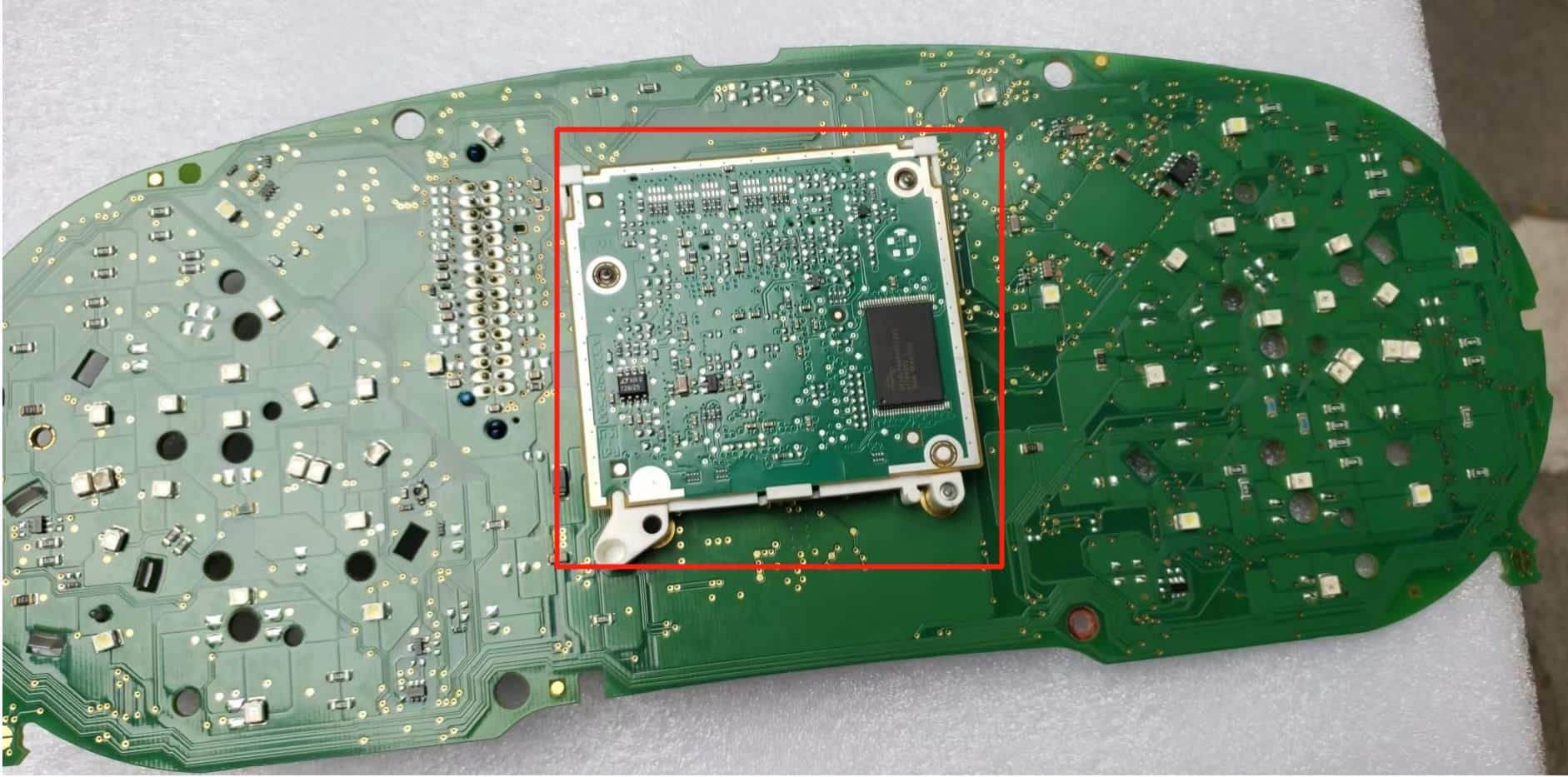
PCB del instrumento original
Una referencia real de PCB de instrumentos de Volkswagen/Jetta. En esta ruta de vehículo, la electrónica original sigue siendo una parte importante de la conversión.
Ver la guía real de transferencia de PCB del Jetta →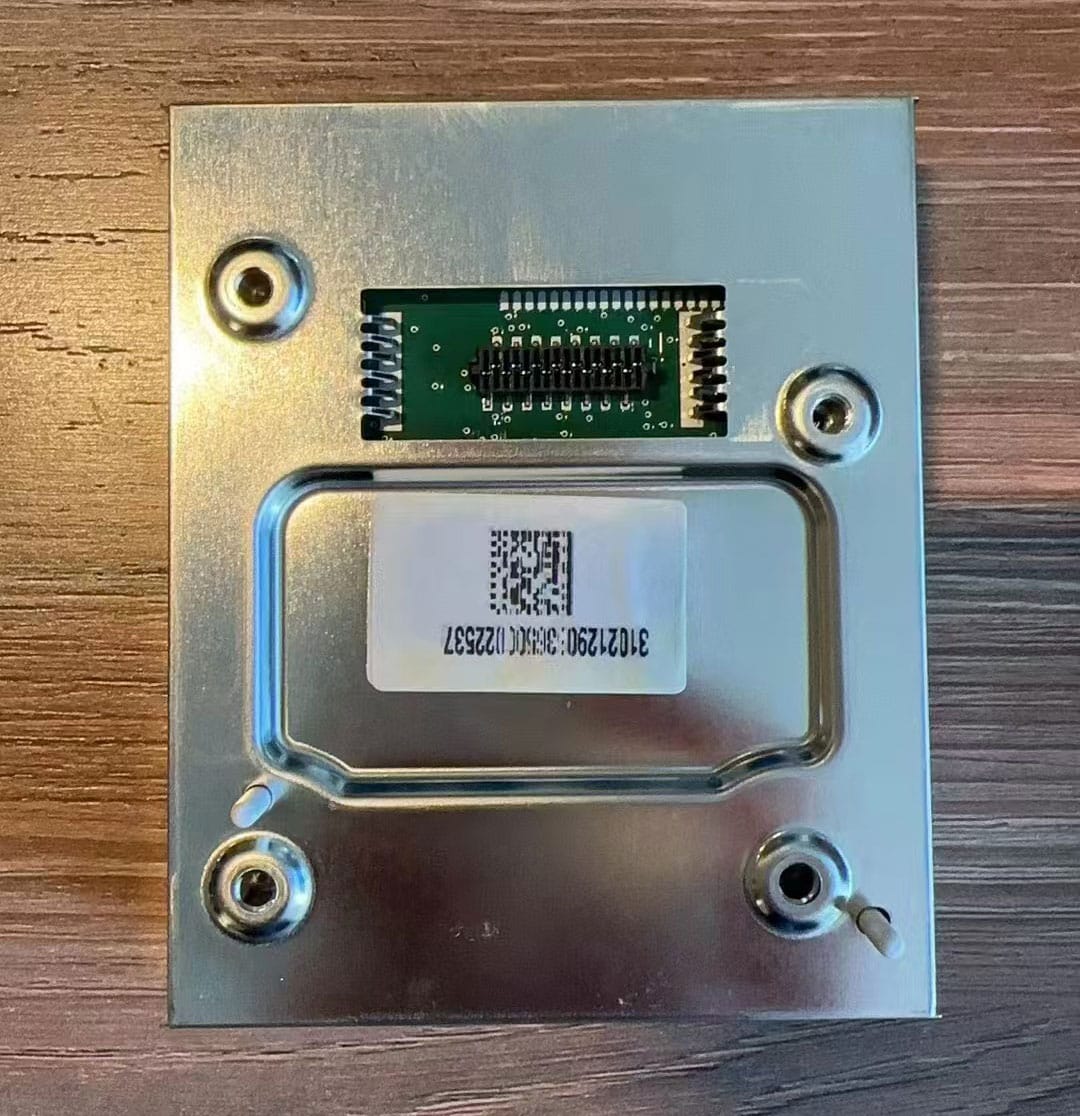
Los pequeños componentes OEM importan
Algunos cuadros originales incluyen placas auxiliares u otros componentes que también deben conservarse correctamente. Una pieza pequeña aún puede afectar el comportamiento de los datos del vehículo.
Ver la explicación de la placa auxiliar →
La mejora terminada
El cliente ve la pantalla digital terminada. El trabajo técnico más importante ocurrió detrás de ella: la coincidencia correcta del vehículo, el manejo de los componentes originales y la verificación final.
Explorar la evidencia de instalación iKAGOO →¿Modificar la carcasa del instrumento hace que la mejora sea irreversible?
No necesariamente.
Una mejora reversible a cuadro digital no significa que cada pieza de plástico deba permanecer físicamente intacta.
En algunos vehículos, la instalación puede requerir una modificación limitada de una carcasa de instrumento de plástico, soporte interno, panel de acabado, bisel o cubierta circundante para que la nueva pantalla encaje correctamente.
Elementos principales que iKAGOO cree que deben recibir la mayor protección
- PCB del instrumento original y electrónica esencial
- Integridad de los datos originales del vehículo
- Relaciones de kilometraje e identidad del vehículo
- Funciones relacionadas con el inmovilizador/llave cuando corresponda
- Cableado de fábrica y conectores OEM
- Una ruta realista de retorno al estado original
Piezas que pueden ser reemplazables más adelante
- Carcasa de instrumento de plástico
- Soporte de plástico interno
- Bisel decorativo
- Panel de acabado
- Componente de cubierta o acabado en cuero
La disponibilidad varía según el vehículo, pero estos componentes no electrónicos a menudo se pueden obtener a través de canales de piezas OEM, desguaces, vendedores de piezas usadas o mercados de piezas en línea.
¿Deberías comprar un cuadro no OEM que requiera programación compleja del vehículo?
La programación en sí no es automáticamente incorrecta. Las reparaciones legítimas y las adaptaciones OEM pueden requerir codificación, adaptación o trabajo de diagnóstico profesional.
La preocupación comienza cuando un producto de posventa requiere una extensa programación de cuadro digital o cambios en los datos centrales del vehículo, pero el vendedor no puede explicar qué se está cambiando ni cómo se puede restaurar posteriormente el vehículo.
Antes de aceptar una programación compleja, pregunte:
- ¿Qué módulo de control o datos del instrumento se modificarán?
- ¿Cambiará el VIN, el kilometraje o la información relacionada con el inmovilizador?
- ¿Se hará una copia de seguridad de la EEPROM original o de los datos de configuración?
- ¿Quién conserva la copia de seguridad?
- ¿Existe un proceso de restauración documentado?
- ¿Se puede volver a instalar el cuadro de instrumentos original más adelante?
- ¿Volver al estado de fábrica requerirá codificación a nivel de concesionario?
Por qué el cableado de fábrica importa para una actualización reversible del cuadro digital
Una futura restauración del cuadro OEM se vuelve más difícil si el arnés original del vehículo ha sido cortado, se han retirado los conectores de fábrica o los terminales se han modificado de forma permanente.
Cuando una ruta específica de vehículo de iKAGOO está documentada como el uso de conexiones plug-in emparejadas, el objetivo es preservar el cableado principal de fábrica en lugar de cortarlo para forzar la compatibilidad.
Preservar los conectores OEM
Los enchufes y terminales originales forman parte de la ruta de recuperación de fábrica.
Utilizar la ruta de arnés correcta
Dos conectores que parecen similares no utilizan automáticamente la misma asignación de pines ni la misma lógica de comunicación.
Detenerse en lugar de forzar
Si la conexión suministrada no coincide de forma natural, iKAGOO considera que la acción correcta es detenerse y confirmar la versión, no cortar el cableado original para que encaje.
¿Qué ocurre si el cuadro digital de posventa falla años después?
Esta pregunta debe responderse antes de la compra, porque ninguna marca de posventa responsable puede prometer que una pantalla, un chip, una PCB o una generación de producto exactos permanecerán disponibles para siempre.
El hardware cambia. Los proveedores cambian. Las plataformas de firmware cambian. Los modelos pueden acabar descontinuándose.
iKAGOO considera que, por lo tanto, un producto de posventa de alta calidad debe estar respaldado por dos cosas: una ruta de soporte del lado del producto y una ruta de respaldo del lado del vehículo.
Posición débil a largo plazo
Cuadro original desechado, cableado original modificado, datos centrales cambiados sin copia de seguridad y sin instrucciones claras de restauración.
Posición más sólida a largo plazo
Equipo original conservado, electrónica importante protegida, cableado de fábrica preservado siempre que sea posible y la ruta de restauración comprendida antes de la instalación.
Cómo aborda iKAGOO una mejora reversible a cuadro digital
iKAGOO no cree que todos los coches deban tratarse como si usaran la misma PCB, arquitectura CAN, cableado o procedimiento de instalación.
El producto debe seguir la ruta específica de cada vehículo.
Identificar el vehículo real
El modelo, año de producción, aspecto del cuadro original, diseño del salpicadero, posición de la dirección y otra información relevante pueden revisarse antes de preparar la ruta final.
Determinar si se requiere la transferencia de la PCB OEM
Algunos vehículos requieren la migración de la placa original. Otros usan un cuadro de instrumentos digital independiente. iKAGOO no trata la transferencia de PCB como un requisito universal.
Preservar la base electrónica OEM
Cuando la arquitectura utiliza la electrónica original, la PCB requerida, las placas auxiliares y la ruta de datos original deben tratarse como componentes importantes del vehículo.
Evitar la reescritura innecesaria de datos críticos
iKAGOO cree que una pantalla de posventa no es por sí misma una buena razón para reescribir innecesariamente la identidad crítica del vehículo, el kilometraje o los datos relacionados con la seguridad.
Proteger el cableado de fábrica cuando la ruta lo permita
Se prefieren conectores específicos para el vehículo que coincidan en lugar de cortar o empalmar intencionadamente el mazo de cables principal original.
Conservar el equipo de instrumentación original
Independientemente de si el vehículo requiere transferencia de PCB o no, iKAGOO recomienda guardar el cuadro original y los componentes OEM importantes en lugar de desecharlos.
Verificar las funciones antes de cerrar el salpicadero
Los datos compatibles del vehículo, las advertencias, los controles, el comportamiento de arranque y otras funciones requeridas deben probarse antes de considerar completa la instalación.
Mantener el soporte vinculado al producto
iKAGOO ofrece revisión de compatibilidad, orientación para la instalación, resolución de problemas, soporte de firmware aplicable y coordinación de piezas o reparaciones, en lugar de tratar el envío como el fin de su responsabilidad.
Lista de verificación de reversibilidad iKAGOO
Actualización reversible a cuadro digital: tres comprobaciones antes de elegir un kit
Estas comprobaciones explican qué conservar y qué confirmar para el vehículo real. Son principios de compra e instalación, no porcentajes de fiabilidad medidos ni una valoración de producto específica para un vehículo.
1. Proteja la electrónica y los datos originales
Determine si el cuadro suministrado utiliza una transferencia de PCB OEM o un reemplazo independiente. Conserve la electrónica original requerida por esa instalación, registre el odómetro y confirme cualquier codificación o trabajo de datos específico del vehículo.
Vea qué datos y electrónica originales importan →2. Conserve las piezas necesarias para volver al estado de fábrica
Guarde el cuadro original y los componentes desmontados. Antes de la instalación, determine si la restauración implica reinstalar una unidad original completa o reconstruirla con la electrónica transferida. Cualquier carcasa de reemplazo, moldura o requisito de programación debe formar parte de ese plan.
Comprenda el proceso de vuelta al estado de fábrica →3. Preserve la ruta de conexión de fábrica
Utilice los conectores específicos del vehículo confirmados y documente cualquier modificación necesaria. Si un conector no coincide, deténgase y compruebe las piezas suministradas antes de modificar el arnés de fábrica.
Revise el estándar de compatibilidad previo al pedido →Una evaluación de producto publicada debe identificar el vehículo, el hardware suministrado y la evidencia que respalda su resultado. Esta lista de verificación general no asigna una puntuación numérica a cada vehículo ni garantiza un resultado de restauración futuro.
¿Qué piezas originales debe conservar después de la instalación?
iKAGOO recomienda conservar todos los componentes originales del instrumento que puedan ser necesarios para una futura restauración.
Conserve estos componentes OEM
- Cuadro de instrumentos original completo cuando sea posible
- Pantalla LCD o display original
- PCB del instrumento original cuando no esté instalado en el nuevo cuadro
- Agujas y componentes de los indicadores
- Motores
- Placas auxiliares
- Zumbador o altavoz original
- Carcasa y soportes
- Embellecedores y cubiertas
- Tornillos, clips y sujetadores de fábrica
Guárdalos correctamente
- Protege las placas electrónicas de las descargas estáticas.
- Guarda los tornillos y las piezas pequeñas en bolsas etiquetadas.
- Etiqueta los componentes con el vehículo y la fecha de instalación.
- Protege las pantallas de la presión, la humedad y el calor.
- No tires una pieza simplemente porque su función no esté clara.
- Conserva las piezas originales con el vehículo si este se vende más adelante.
¿Cuándo deberías pensarlo dos veces antes de comprar un cuadro digital de posventa?
| Situación | Por qué es importante | Vista iKAGOO |
|---|---|---|
| El vendedor no puede explicar si tu vehículo necesita transferencia de PCB OEM. | Todavía no entiendes la arquitectura de instalación real. | Investiga primero |
| Se deben modificar los datos del VIN, el kilometraje o el inmovilizador, pero no se explica ningún plan de copia de seguridad o restauración. | La información principal del vehículo puede alterarse sin una ruta de reversión fiable. | Preocupación alta |
| Se debe cortar el cableado principal de fábrica sin una razón técnica clara. | La futura restauración OEM y la resolución de problemas eléctricos se vuelven más difíciles. | Preocupación alta |
| El vendedor te dice que deseches el cuadro original. | Pierdes un componente original importante del vehículo y una ruta de respaldo. | No recomendado |
| Una carcasa de plástico o pieza de embellecedor reemplazable requiere una modificación limitada. | La futura restauración estética puede requerir conseguir una pieza de repuesto. | Normalmente manejable |
| Se conservan los componentes electrónicos originales necesarios y se documenta la ruta del vehículo. | La ruta de instalación y futura restauración son más fáciles de entender. | Preferido |
| No se requiere transferencia de PCB y el cuadro OEM completo se conserva intacto. | El instrumento original permanece disponible para una futura restauración. | Preferido |
Preguntas frecuentes sobre la actualización reversible a cuadro digital
¿Puedo reinstalar mi cuadro de instrumentos original después de una actualización a cuadro digital?
Generalmente sí, cuando la adaptación se ha planificado en torno a una vía de retorno al estado original. Un sistema de transferencia de PCB puede requerir que la PCB original se vuelva a colocar en el cuadro de fábrica, mientras que un cuadro digital independiente puede permitir reinstalar el instrumento OEM completo almacenado.
¿Todos los cuadros de instrumentos digitales requieren transferencia de PCB OEM?
No. Algunos productos específicos para vehículos requieren una transferencia de PCB OEM u otra transferencia de hardware original. Otros cuadros digitales funcionan mediante una arquitectura independiente. La ruta correcta depende del vehículo exacto y del sistema de instrumentos original.
¿La transferencia de PCB del cuadro de instrumentos cambiará mi kilometraje?
La arquitectura del kilometraje varía según el vehículo. Una adaptación con PCB retenida a menudo está diseñada para seguir utilizando la relación original de datos del instrumento en lugar de sustituir el cuadro por una unidad donante no relacionada, pero la ruta exacta del kilometraje debe confirmarse para el vehículo específico.
¿Afectará un cuadro digital al inmovilizador o a las llaves de mi coche?
Depende del vehículo. Algunas plataformas integran el sistema de instrumentos con la comunicación relacionada con el inmovilizador o las llaves. Esta es una de las razones por las que la sustitución completa del cuadro y las actualizaciones con PCB retenida no deben tratarse como el mismo proceso técnico.
¿Requiere codificación una actualización reversible a cuadro digital?
Algunos vehículos o rutas de producto requieren ajustes, adaptación o codificación; otros no. iKAGOO no recomienda asumir que “sin codificación” se aplica universalmente.
¿Es automáticamente insegura la codificación o programación del cuadro digital?
No. Las reparaciones legítimas y las adaptaciones OEM pueden requerir codificación. La preocupación es la modificación innecesaria de datos importantes del vehículo sin documentación, respaldo y un procedimiento de restauración fiable.
¿Sigue siendo reversible la instalación si se modifica la carcasa de plástico?
Puede serlo. La reversibilidad estética y la reversibilidad electrónica son diferentes. Una carcasa o pieza de acabado reemplazable puede requerir modificación mientras la PCB original, los datos del vehículo, los conectores y la electrónica principal permanecen protegidos.
¿Debería conservar mi cuadro de instrumentos original si no se requiere transferencia de PCB?
Sí. iKAGOO recomienda conservar el cuadro de instrumentos original completo incluso cuando el nuevo cuadro es independiente. Preserva la integridad OEM y mantiene otra posible vía de vuelta a la configuración de fábrica.
¿Qué ocurre si el cuadro digital del mercado de accesorios falla años después?
La vía de reparación depende del fallo y de las piezas de repuesto disponibles. Conservar el cuadro original y mantener una instalación reversible ofrece al propietario una opción de respaldo que no existiría si el equipo original se hubiera desechado o dañado permanentemente.
¿Debería comprar un cuadro que necesita programación compleja de kilometraje o inmovilizador?
Solo después de entender por qué se requiere la programación, qué información cambiará, si los datos originales están respaldados y si existe un proceso documentado de retorno al estado original. Si esas preguntas no pueden responderse con claridad, iKAGOO considera que la compra merece una reconsideración.
¿Ayuda conservar el cuadro original al valor de reventa de mi coche?
No garantiza un precio más alto. Sí preserva la integridad OEM y permite que un futuro comprador elija entre el cuadro digital actualizado y una vuelta a la especificación original.
¿Requiere cortar el cableado de fábrica instalar un cuadro digital?
No siempre. Muchas rutas específicas para vehículos utilizan arneses adaptados y conectores de estilo OEM. Si un sistema supuestamente adaptado no se conecta correctamente, verifique la versión antes de modificar el cableado de fábrica.
¿Seguirán funcionando las luces de advertencia de fábrica y la información del vehículo?
Las funciones compatibles dependen del vehículo y de la configuración del producto. La velocidad, las RPM, el combustible, el kilometraje, las advertencias, las puertas, la temperatura, los controles del volante y otra información deben verificarse en la ruta compatible específica en lugar de darse por sentado universalmente.
¿Qué debo enviar a iKAGOO antes de comprar?
Comience con la marca, el modelo, el año y la posición del volante del vehículo, junto con fotos claras del cuadro de instrumentos original y del salpicadero. Puede solicitarse el VIN, fotos de los conectores u otros detalles del sistema cuando la ruta del vehículo lo requiera.
¿Cuál es la pregunta más importante que se debe hacer a un vendedor de cuadros digitales?
Pregunta: “Si este cuadro de posventa falla dentro de varios años, ¿qué debo hacer exactamente para reinstalar mi sistema de instrumentos original?” Un vendedor que entiende el producto debería poder explicar la respuesta para la ruta real del vehículo.
Descubre cómo cambia la reversibilidad entre distintas rutas de vehículo
Volkswagen Jetta: transferencia real de PCB
Consulta una ruta real en la que la PCB del instrumento original y los componentes OEM necesarios forman parte de la instalación del cuadro digital.
Ver la guía de instalación del Jetta →Volkswagen Golf Mk7: transferencia de placa y comprobaciones finales
Consulta una ruta de instalación real específica para el vehículo, con manejo del hardware original, comprobaciones del cableado y verificación del primer arranque.
Ver la guía de instalación del Golf Mk7 →Audi A5 B8: planificación para volver al original
Consulta un ejemplo centrado en el comprador en el que se conserva la PCB original del Audi y se considera antes de la compra la posibilidad de volver al cuadro de fábrica.
Leer la guía del comprador del Audi A5 B8 →Lista de verificación para una actualización reversible del cuadro digital
Pregunta al vendedor
- ¿Mi vehículo requiere transferencia de PCB OEM?
- ¿Qué componentes electrónicos originales se transfieren?
- ¿La instalación modifica el kilometraje, el VIN o los datos relacionados con el inmovilizador?
- ¿Hay que cortar el mazo de cables principal de fábrica?
- ¿Qué piezas originales debo conservar?
- ¿Se puede reconstruir o reinstalar más adelante el cuadro de instrumentos original?
- ¿Volver al estado de fábrica requerirá programación?
- ¿Quién da soporte al producto después de la instalación?
Pregúntate a ti mismo
- ¿Entiendo la ruta de instalación exacta?
- ¿Tengo un instalador adecuado si se requiere manipular la PCB?
- ¿Puedo guardar de forma segura los componentes originales?
- ¿Entiendo cualquier modificación de la carcasa o los embellecedores?
- ¿Tengo la información de instalación y posventa?
- Si el nuevo cuadro falla, ¿conozco el plan alternativo?
Preguntas que debes responder antes de comprar un cuadro de instrumentos digital
Una instalación reversible es solo una parte de la decisión de compra. Continúe con las preguntas a continuación hasta que la compatibilidad, el riesgo de instalación, el soporte del vendedor y la ruta correcta del producto estén claros.
Nuestra opinión: un cuadro digital debe ser una mejora, no una modificación irreversible
Preserve lo que es difícil de reemplazar
La electrónica original, las relaciones de datos específicas del vehículo, los conectores de fábrica y la ruta de restauración merecen más protección que las piezas estéticas reemplazables.
Conserve lo que vino con el vehículo
Incluso cuando no se requiere transferencia de PCB, iKAGOO cree que el cuadro de instrumentos original debe permanecer con el vehículo para una futura restauración, reventa o propiedad a largo plazo.
Conozca el camino de vuelta antes de avanzar
El momento de entender el proceso de retorno al estado original es antes de la instalación, no varios años después cuando falla una pantalla o se vende el vehículo.
¿No está seguro de si su vehículo admite una actualización reversible a un cuadro digital?
No elija un cuadro de instrumentos digital solo porque la foto del producto, el emblema del vehículo o el año del modelo parezcan correctos.
Envíe a iKAGOO el modelo de su vehículo, el año de producción, la posición del volante y fotos claras del cuadro de instrumentos original y del salpicadero. El VIN o información adicional sobre los conectores se puede proporcionar cuando sea necesario para la ruta específica.
Podemos ayudar a identificar si su vehículo utiliza un transferencia de PCB OEM, una arquitectura de cuadro digital independiente u otra ruta específica del vehículo, y explicar qué debe permanecer original antes de que comience la instalación.
iKAGOO cree que el cliente debe saber qué se cambiará, qué permanecerá original y cómo el vehículo puede volver al estado de fábrica antes de tomar la decisión final de compra.
Se aplica la compatibilidad específica del vehículo. No corte el cableado original, altere los datos del vehículo ni desmonte el cuadro de instrumentos original basándose únicamente en un vídeo genérico de internet.








Add comment