


Precios de las unidades principales para Android y los cuadros de instrumentos digitales: ¿a qué se debe esta gran diferencia?
Unidades principales Android premium · Mejoras de cabina de doble pantalla · Clústeres de instrumentos digitales
Los precios de las unidades principales Android y los clústeres digitales pueden ser sorprendentemente diferentes incluso cuando dos productos premium se ven casi idénticos. La forma de la pantalla puede ser similar, pero la placa base, la pantalla, la integración en el vehículo, el estándar de pruebas, los requisitos del proveedor y el soporte a largo plazo detrás de ella pueden no serlo. Esta guía muestra lo que realmente crea esa brecha—y qué hace iKAGOO de manera diferente.
Precios de las unidades principales Android y los clústeres digitales: ¿por qué la diferencia de precio?
Porque la forma visible a menudo tiene que ser similar para encajar en el mismo automóvil, mientras que las piezas detrás de esa forma pueden ser muy diferentes. Esa es la razón principal detrás los precios de las unidades principales Android y los cuadros de instrumentos digitales. Las unidades principales Android específicas para vehículos y los cuadros de instrumentos digitales suelen utilizar moldes públicos, moldes compartidos o carcasas muy similares. La abertura del tablero, los puntos de montaje y la posición de la pantalla no dejan una libertad ilimitada, por lo que los productos de diferentes proveedores pueden naturalmente verse casi iguales desde el frente.
Esa similitud visual es exactamente la razón por la que el mercado es confuso. Un comprador puede ver la misma forma general, las mismas dimensiones de pantalla y una interfaz similar y suponer razonablemente que los productos provienen de la misma fábrica o simplemente se están revendiendo con diferentes márgenes. A veces son productos relacionados. Pero la apariencia por sí sola no puede decirle si el material de la carcasa, la pantalla, la placa base, los circuitos integrados, los componentes de memoria y almacenamiento, la interfaz CANBUS, los arneses, los conectores, el estándar de ensamblaje y las pruebas de salida son los mismos.
El los precios de las unidades principales Android y los cuadros de instrumentos digitales que ves en línea pueden, por lo tanto, reflejar diferencias que son casi imposibles de juzgar solo desde la vista frontal.
Incluso la carcasa en sí puede diferir en la calidad del material, la resistencia al calor, la precisión del ajuste y la durabilidad a largo plazo, mientras que aún se ve casi idéntica en una foto de listado. Con la electrónica automotriz, eso importa porque el producto se encuentra en un tablero que experimenta calor, frío, vibración y ciclos repetidos de arranque y parada durante años.
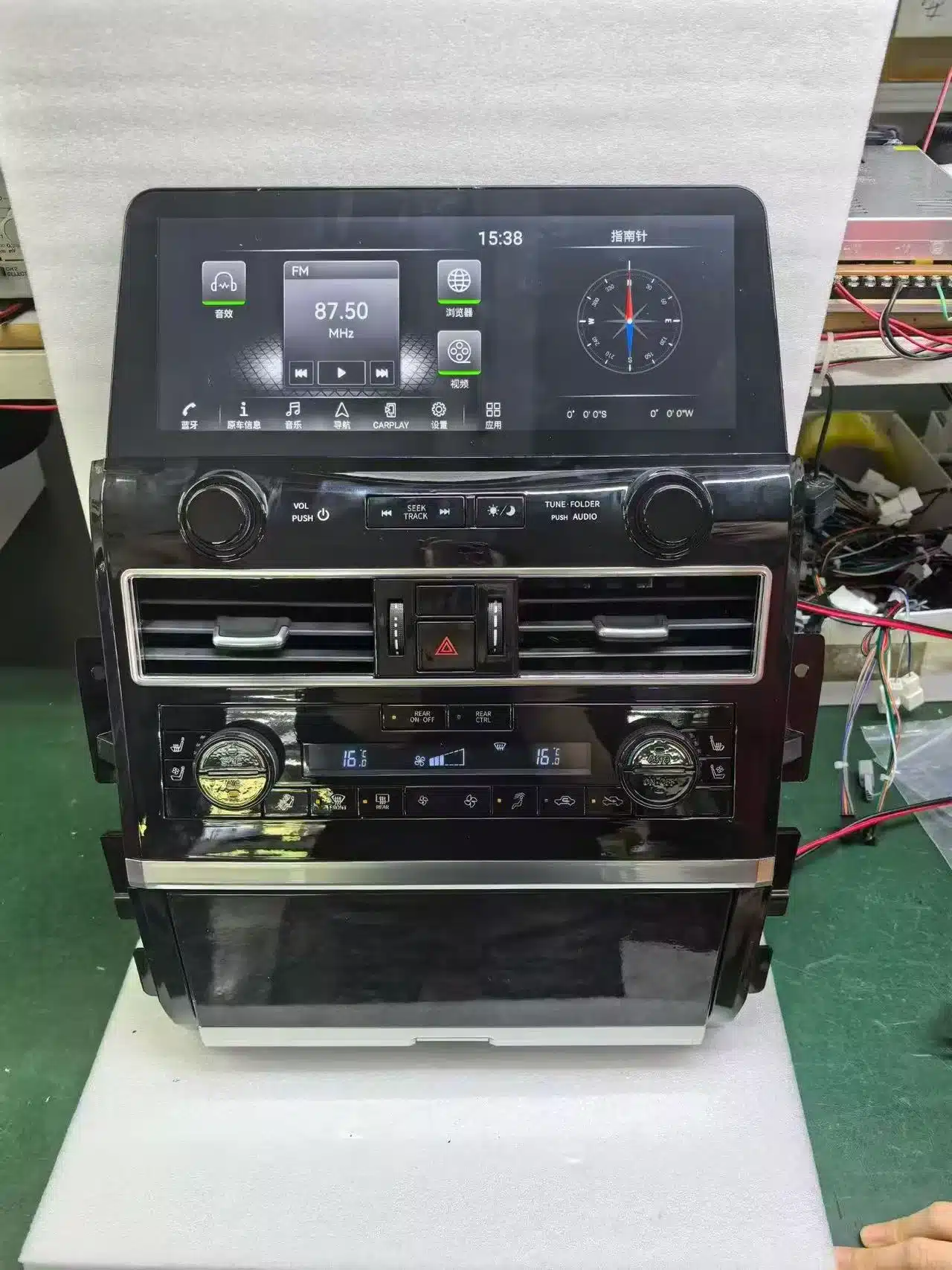
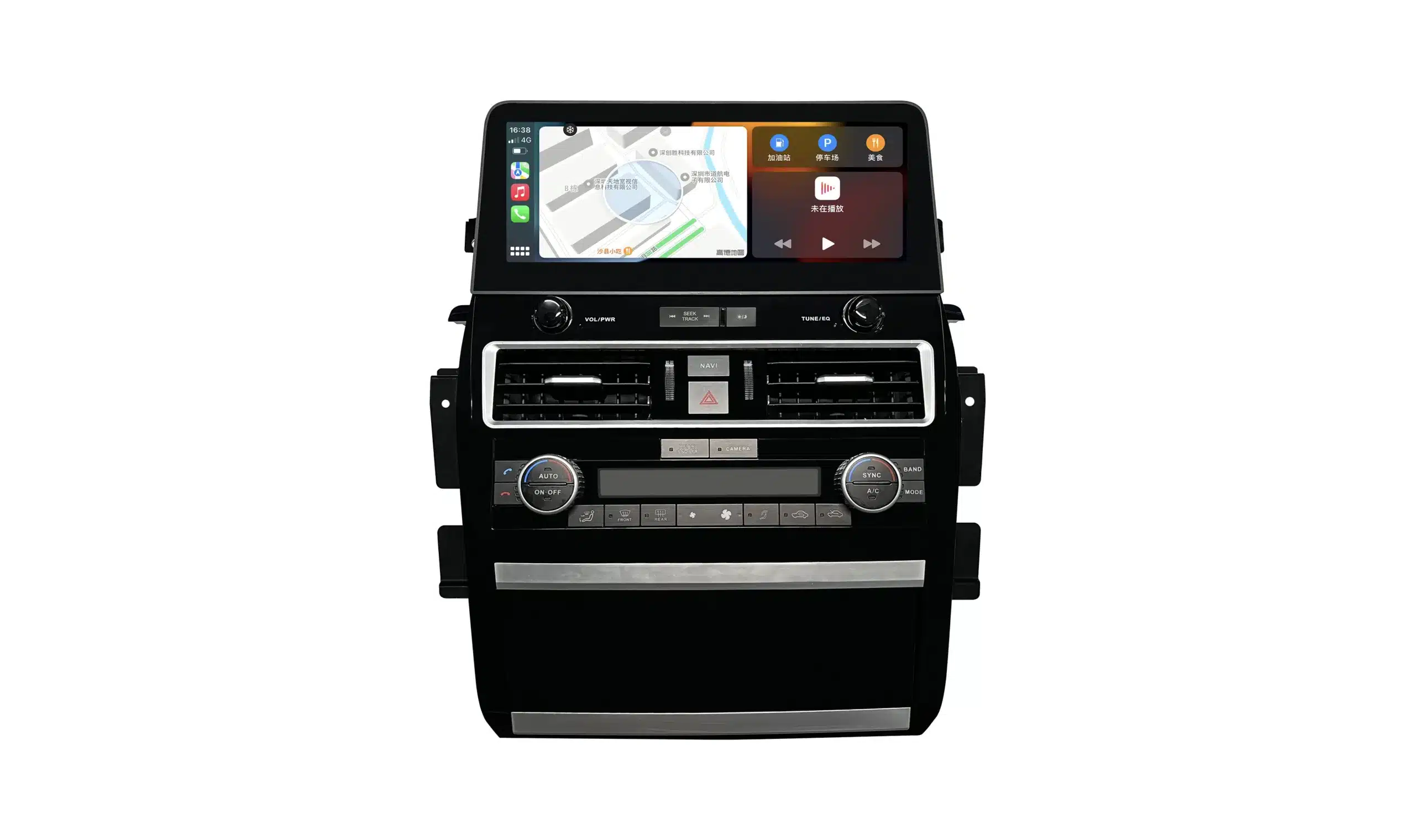
| Lo que parece similar en línea | Lo que aún puede ser diferente | Por qué es importante después de la instalación |
|---|---|---|
| Tamaño de la pantalla y forma del salpicadero | Fuente del panel, capa táctil, brillo, controlador, material de la carcasa, ventilación | Comportamiento térmico, consistencia táctil, ajuste, vibración y envejecimiento de la pantalla |
| Configuración de memoria y almacenamiento | Origen de los componentes, grado de almacenamiento, diseño de PCB, diseño de alimentación y compilación de firmware | Comportamiento de arranque, estabilidad, fiabilidad de lectura/escritura y compatibilidad de software posterior |
| Interfaz similar o familia de software | Diseño de la placa base, selección de circuitos integrados, regulación de alimentación, conectores e interfaz de vehículo | Reinicio aleatorio, ausencia de sonido, fallos de comunicación y dificultad para solucionar problemas |
| Descripción de cableado similar | Construcción del arnés, módulo CANBUS, precisión de los conectores y enrutamiento específico del vehículo | Problemas de cámara, amplificador, control del volante y datos de fábrica |
¿Pueden las unidades principales Android premium y los clústeres digitales similares usar diferentes placas base?
Sí. La interfaz no es la placa base. Esto es cierto tanto para los cuadros de instrumentos digitales como para los sistemas de cockpit Android premium de estilo OEM. En esta industria, una solución de software puede ser proporcionada o respaldada por una empresa de soluciones, mientras que diferentes fábricas construyen su propio hardware alrededor de ella. Eso significa que dos productos pueden comenzar con casi los mismos menús y funciones, mientras que el diseño real de la placa y los requisitos de componentes subyacentes son diferentes.
Esta es una de las razones más importantes por las que los compradores no deben identificar un producto solo por su interfaz de usuario. Una fábrica puede elegir un diseño de PCB diferente, sección de alimentación, circuitos integrados, fuente de memoria y almacenamiento, controlador de pantalla, conectores y diseño térmico. Otra fábrica puede usar una implementación diferente mientras ofrece una experiencia de software muy similar.
Desde nuestra experiencia en la cadena de suministro, solo la placa base puede crear una gran diferencia de costo entre productos que se ven casi idénticos por fuera. Eso no significa que una foto de placa de aspecto más caro pruebe automáticamente una mayor calidad. Un juicio de calidad real necesita especificación de componentes, historial de proveedores, pruebas y experiencia real de fallas posventa, no solo una fotografía.
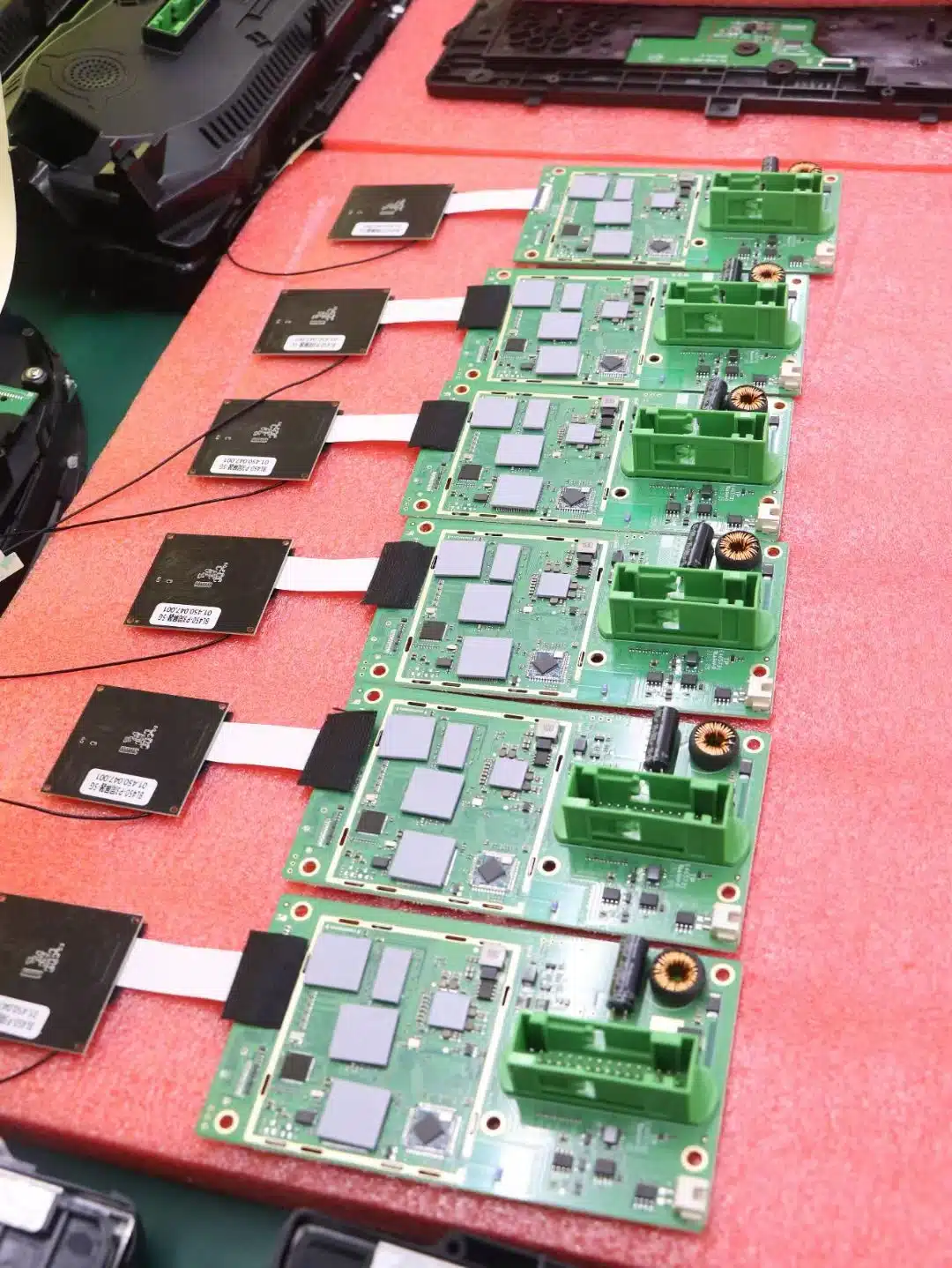
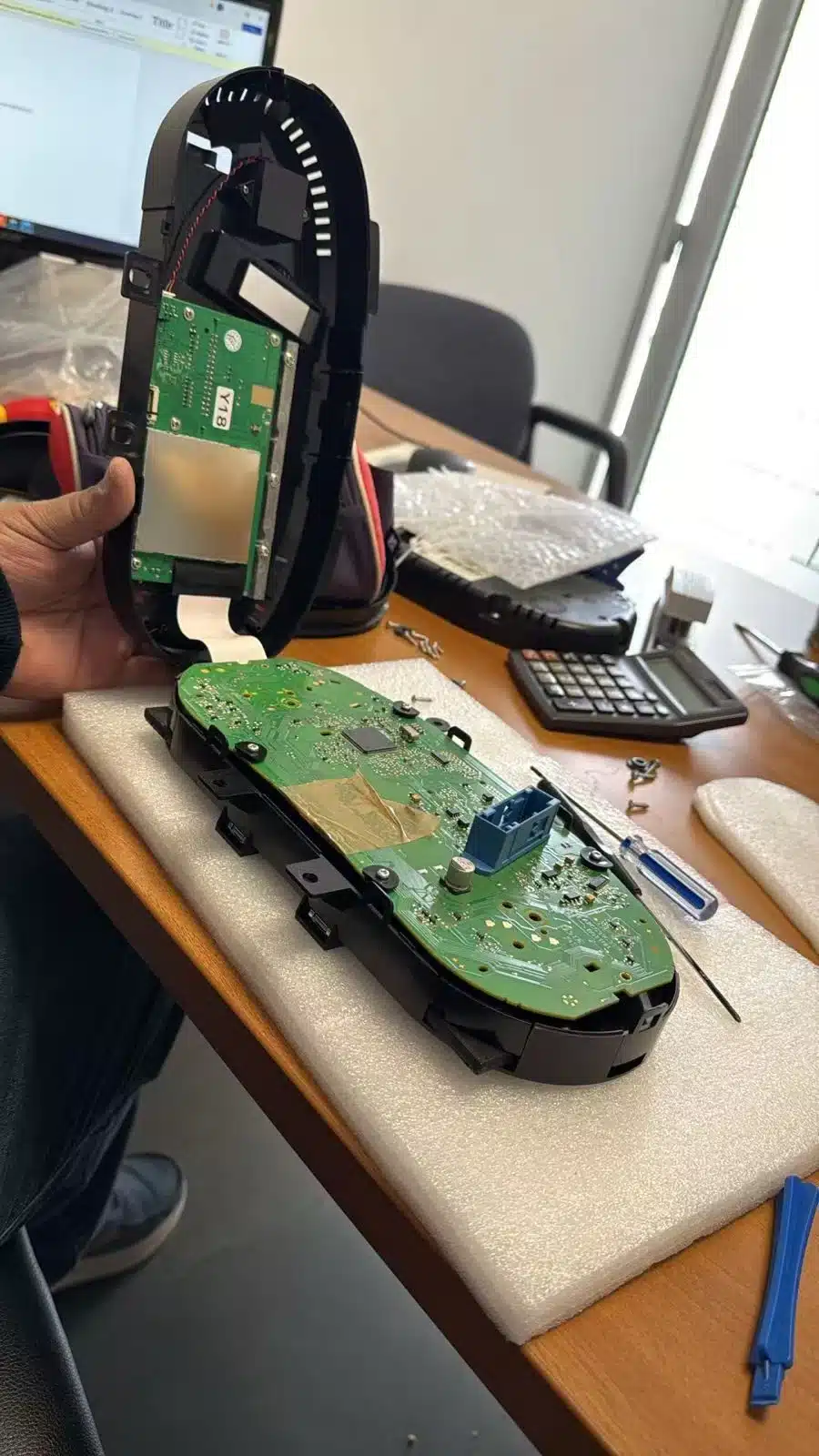
El mismo principio se aplica a los cuadros de instrumentos digitales de posventa. Un cuadro puede parecer casi idéntico desde el asiento del conductor mientras utiliza un conjunto de pantalla, una ruta de datos, un cableado o un firmware diferentes. Para algunas aplicaciones de Volkswagen y Audi, la placa original del cuadro de instrumentos sigue formando parte de la ruta de datos de fábrica; nuestro Manual de usuario del cuadro de instrumentos digital para VW y Audi explica esa integración con más detalle.
Esta es también la razón por la que la intención de compra de un cuadro de instrumentos digital se vuelve más útil cuando es específica de la marca. Un comprador que compara la calidad del retrofit del cuadro de instrumentos digital de BMW suele preocuparse por el ajuste NBT/EVO, la retención de los datos originales y la fiabilidad a largo plazo. Una fiabilidad del retrofit del cuadro de instrumentos digital de Mercedes-Benz es más probable que la búsqueda involucre coincidencia NTG, datos CANBUS e integración de estilo OEM. Una comparación de calidad de retrofit del cockpit virtual de Audi a menudo depende de la generación de MMI, funciones originales y ajuste del cuadro de instrumentos. Para Volkswagen, el, ajuste del retrofitting de cuadro digital puede depender de la plataforma de instrumentos original y la ruta de datos. Estas son preguntas de compra, no términos genéricos de tráfico.
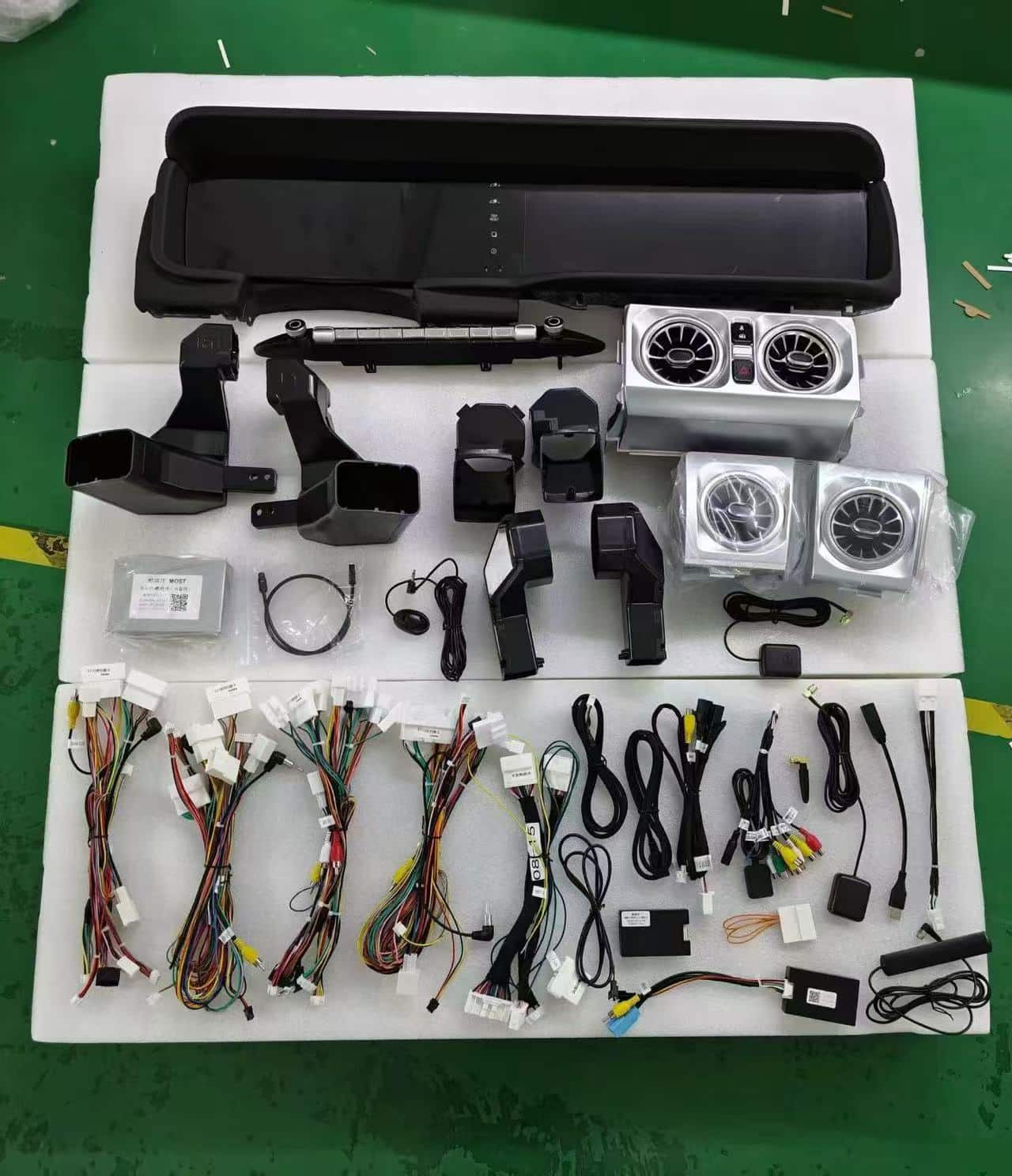
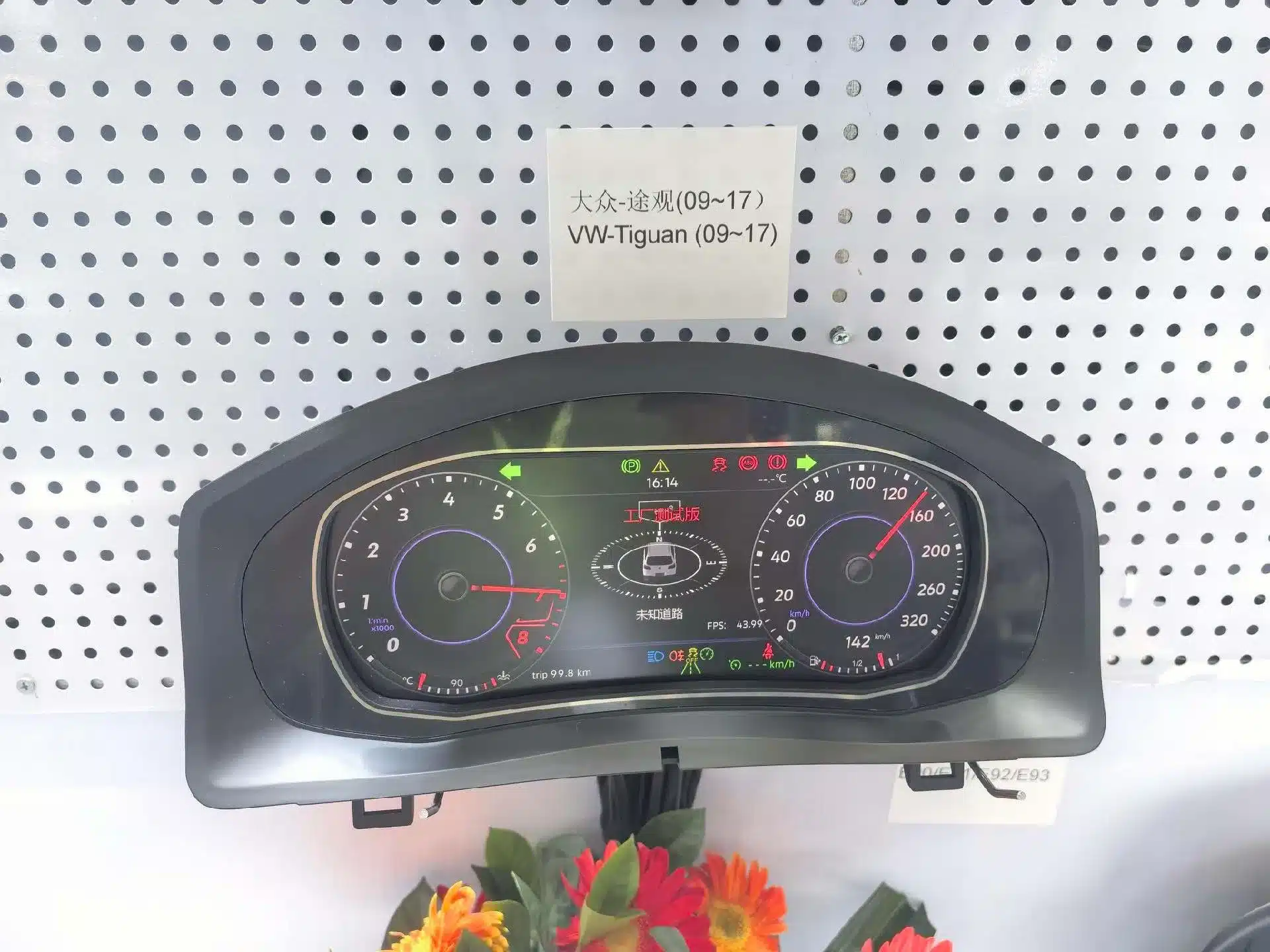
Si las características enumeradas son similares, ¿qué es lo que realmente cambia el precio?
Porque una página de producto solo puede mostrar parte del producto. La memoria, el almacenamiento, el tamaño de pantalla, el sistema operativo, la compatibilidad con CarPlay y otras funciones destacadas enumeradas son útiles, pero no son la historia completa de la estabilidad.
Los compradores comparan naturalmente las especificaciones que pueden ver. Eso es razonable. El problema es que muchas de las diferencias que determinan la fiabilidad a largo plazo no son fáciles de incluir en una tabla de especificaciones corta. El diseño de la PCB, la regulación de la alimentación, el origen de los componentes, la calidad de la pantalla, la calidad de los conectores, la implementación de CANBUS, la tolerancia de ensamblaje y el estándar de prueba pueden no ser visibles en absoluto.
Por eso dos productos pueden anunciar honestamente un conjunto de características visibles similar y, sin embargo, ser productos diferentes por debajo. La lista de especificaciones te dice para qué está diseñado el dispositivo. No te dice automáticamente cómo se construyó el hardware, cómo se probó el producto o cómo el vendedor lo respaldará más tarde.
Mismo aspecto, coste diferente: ¿de dónde viene realmente la diferencia de precio?
Porque la competencia de precios cambia el costo objetivo antes de que el producto llegue al cliente. Un mayorista o vendedor de marketplace puede estar sirviendo a compradores que principalmente comparan el precio final, por lo que el vendedor pide a la fábrica un precio de compra más bajo. La fábrica aún necesita suficiente margen para seguir produciendo, lo que significa que el costo solicitado debe lograrse en algún lugar de la cadena de producto o servicio.
El vendedor no necesita pedir explícitamente una pantalla más barata, un IC de menor costo o un componente de memoria diferente. En una cadena de suministro competitiva, la fábrica puede ajustar la lista de materiales (BOM) por sí misma para poder seguir produciendo al precio solicitado. Eso puede afectar la pantalla, los circuitos integrados, la memoria y la fuente de almacenamiento, el arnés de cables, el tiempo de prueba, el empaque o cuánto soporte postventa futuro se puede realizar de manera realista.
No creemos que sea preciso describir esto como que cada fábrica “reduce la calidad en secreto”. La explicación más útil es que diferentes precios objetivo crean diferentes estructuras de costos. Una vez que el precio de compra más bajo se convierte en la primera prioridad, la fábrica tiene que decidir qué otros costos se pueden reducir.
Esta es una razón los precios de las unidades principales Android premium y los clústeres digitales pueden diferir incluso cuando el tamaño de pantalla visible, el diseño exterior y las funciones enumeradas parecen casi iguales.
Esta es una razón las unidades principales Android premium y los clústeres digitales pueden costar precios muy diferentes incluso cuando el tamaño de pantalla, el diseño exterior y las funciones visibles parecen muy similares. La diferencia de precio puede reflejar lo que estaba protegido—o comprimido—detrás de la foto del producto.
Qué hace iKAGOO de manera diferente
| Qué cambia en la cadena de suministro | Ruta precio-primero | Diferencia de marca iKAGOO |
|---|---|---|
| Selección de proveedores | Compensación precio-primero El precio de compra más bajo viable puede convertirse en el primer filtro. |
Elección iKAGOO La estabilidad del hardware, el rendimiento de ajuste y el historial de posventa tienen prioridad sobre el presupuesto más bajo. |
| Margen de fábrica | Compensación precio-primero La fábrica tiene que proteger su propio margen a la vez que cumple con un precio solicitado más bajo. |
Elección iKAGOO iKAGOO puede aceptar un coste de aprovisionamiento en torno a un 10% más alto cuando eso le da al proveedor margen para mantener el hardware central y el estándar de soporte estables. |
| Dónde se puede comprimir el coste | Compensación precio-primero La pantalla, los circuitos integrados, la fuente de memoria/almacenamiento, el arnés, el tiempo de prueba, el embalaje o el soporte futuro pueden convertirse en puntos de control de costes. |
Elección iKAGOO iKAGOO preferiría mantener estable la ruta de producto que ahorrar una pequeña cantidad a nivel de proveedor y crear un problema mayor de instalación o posventa más adelante. |
| Cómo se evalúa a los proveedores | Compensación precio-primero El precio y la facturación pueden tener más peso cuando el modelo de negocio se basa en ventas rápidas. |
Elección iKAGOO Los fallos reales de productos vendidos, los problemas de compatibilidad y los errores de cableado influyen en las decisiones sobre proveedores. |
| Cuando un proveedor comete un error confirmado de compatibilidad o de cableado. | Compensación precio-primero La respuesta depende del modelo de negocio del propio vendedor. |
Elección iKAGOO Las transacciones posteriores pueden pausarse durante al menos 30 días mientras iKAGOO verifica que la corrección es real. |
| Quién asume el riesgo de reputación | Compensación precio-primero El cliente final a menudo nunca ve el nombre de la fábrica. |
Elección iKAGOO El cliente recuerda la marca iKAGOO. Eso hace que la estabilidad a largo plazo y los resultados de posventa sean parte de la propia marca. |
Esta diferencia importa aún más para los productos en los que iKAGOO se centra ahora: pantallas grandes de estilo OEM, actualizaciones premium de cabina Android de doble pantalla y cuadros de instrumentos digitales específicos para vehículos, en lugar de productos de radio universales de nivel básico. A Actualización Android de doble pantalla de LC200 24.6 pulgadas para Toyota, Unidad principal Android de doble pantalla para Nissan Patrol Y62 o Actualización Android de doble pantalla para Mercedes Clase S implica mucha más integración con el vehículo, costo de instalación y riesgo de propiedad a largo plazo que una simple pantalla de reemplazo universal.
Para esos compradores, la comparación útil no es simplemente “¿qué unidad Android es más barata?”. Se trata de si la ruta específica del habitáculo del vehículo se ha preparado correctamente, si el proveedor tiene suficiente margen para mantener el estándar de hardware, y si el vendedor sigue dispuesto a asumir la responsabilidad cuando el producto ya está instalado en el automóvil.
Ese costo adicional de abastecimiento no es una garantía por sí mismo. Un proveedor todavía tiene que demostrar el producto a través de pedidos reales y resultados de posventa. El punto es que la marca iKAGOO preferiría proteger la estabilidad del producto a largo plazo y la confianza del cliente que ganar todas las comparaciones de precio más bajo y luego cargar con el costo de problemas repetidos más adelante.
¿Por qué no comprar una alternativa más barata y reemplazarla si falla?
A veces esa es la elección correcta, y no pensamos que el mercado de bajo precio esté mal. Si el dinero es escaso, el coche es solo un vehículo temporal, la instalación es sencilla, o puedes diagnosticar y reemplazar la unidad tú mismo, un producto más barato puede ser completamente racional. En la misma situación, podríamos tomar la misma decisión.
Diferentes compradores tienen diferentes relaciones con sus coches. Algunas personas ven el vehículo principalmente como medio de transporte y esperan reemplazarlo pronto. Para ellos, minimizar el precio de compra inicial puede ser el objetivo más sensato.
Pero otros propietarios son muy diferentes. Después de convivir con un coche durante años, el coche puede convertirse en parte de la familia. El propietario conoce su historia, disfruta de cómo conduce y puede querer conservarlo durante otros 10 o incluso 20 años. En esa situación, la decisión ya no se basa únicamente en el valor de reventa actual del vehículo. Un verdadero entusiasta puede seguir invirtiendo en el coche incluso cuando el dinero gastado en mejoras es alto en comparación con el valor de mercado, porque el objetivo no es revender el coche mañana. El objetivo es seguir conviviendo con un coche que realmente le importa.
Para ese propietario, “si falla, me compraré otro” puede ser mucho más caro de lo que parece. El segundo producto es solo una parte del coste. Puede que tengas que diagnosticar el primer problema, desmontar el salpicadero de nuevo, buscar otro proveedor, explicar de nuevo la configuración del vehículo, comprobar los conectores otra vez, esperar otros 10–15 días por el envío internacional y luego instalar el segundo producto.
Si instalas todo tú mismo, igualmente inviertes tiempo. Si utilizas un instalador profesional en Europa o Norteamérica, la mano de obra puede ser significativa. Un solo conector equivocado también puede significar otro envío internacional y otra cita, incluso cuando la unidad principal en sí está bien.
| Lo que pagas la primera vez | Lo que un ciclo de reemplazo fallido puede añadir |
|---|---|
| Precio del producto | Otro producto o hardware de reemplazo |
| Primera verificación de compatibilidad | Búsqueda de nuevo proveedor y otra confirmación de ajuste |
| Primera instalación | Diagnóstico, extracción y segunda instalación |
| Primer envío internacional | Envío de reemplazo y tiempo de espera |
| Tu tiempo | Más mensajes, otra cita y otro período de incertidumbre |
Una ruta de precio más bajo puede ser completamente razonable cuando…
El coche es temporal, el presupuesto importa más que la continuidad a largo plazo, la instalación es fácil o te sientes cómodo solucionando problemas y reemplazando el sistema tú mismo.
Una ruta con más soporte importa más cuando…
Es un coche que realmente quieres conservar durante años. Prefieres elegir con cuidado una vez, preservar las funciones originales, evitar desmontajes repetidos y saber que todavía hay alguien a quien contactar más adelante.
Para los cuadros de instrumentos digitales específicamente, nuestro artículo aparte sobre el costo oculto de los cuadros de instrumentos digitales sin soporte analiza más de cerca el problema de la segunda instalación y el soporte a largo plazo.
¿Puede algún vendedor garantizar la compatibilidad de la unidad principal Android de estilo OEM o del cuadro de instrumentos digital 100%?
No. Creemos que un vendedor responsable no debería prometer compatibilidad 100% solo basándose en el modelo y el año. El mismo modelo y año de vehículo puede tener diferentes conectores, amplificadores de fábrica, cámaras, controladores, sistemas de infoentretenimiento, posiciones de volante y configuraciones regionales.
Por eso iKAGOO utiliza dos niveles de verificación de compatibilidad. Antes de la venta, hacemos un primer juicio sobre si la ruta de actualización es básicamente adecuada. No queremos que un cliente pague por algo que obviamente no es la dirección correcta.
Antes del envío, la verificación se vuelve más detallada. Según el producto, podemos confirmar el tablero original, el cuadro de instrumentos, la pantalla, los conectores u otra información de fábrica. El propósito es coincidir con la configuración real del vehículo en lugar de depender solo del rango de años escrito en el título del producto.
Incluso después de esas verificaciones, no decimos que el riesgo se vuelva cero. Modificaciones anteriores, cambios de fábrica no documentados y cableado oculto aún pueden crear sorpresas. Nuestro objetivo es reducir el riesgo de desajuste tanto como sea posible antes de que el producto viaje internacionalmente y antes de que el cliente pague por la instalación.
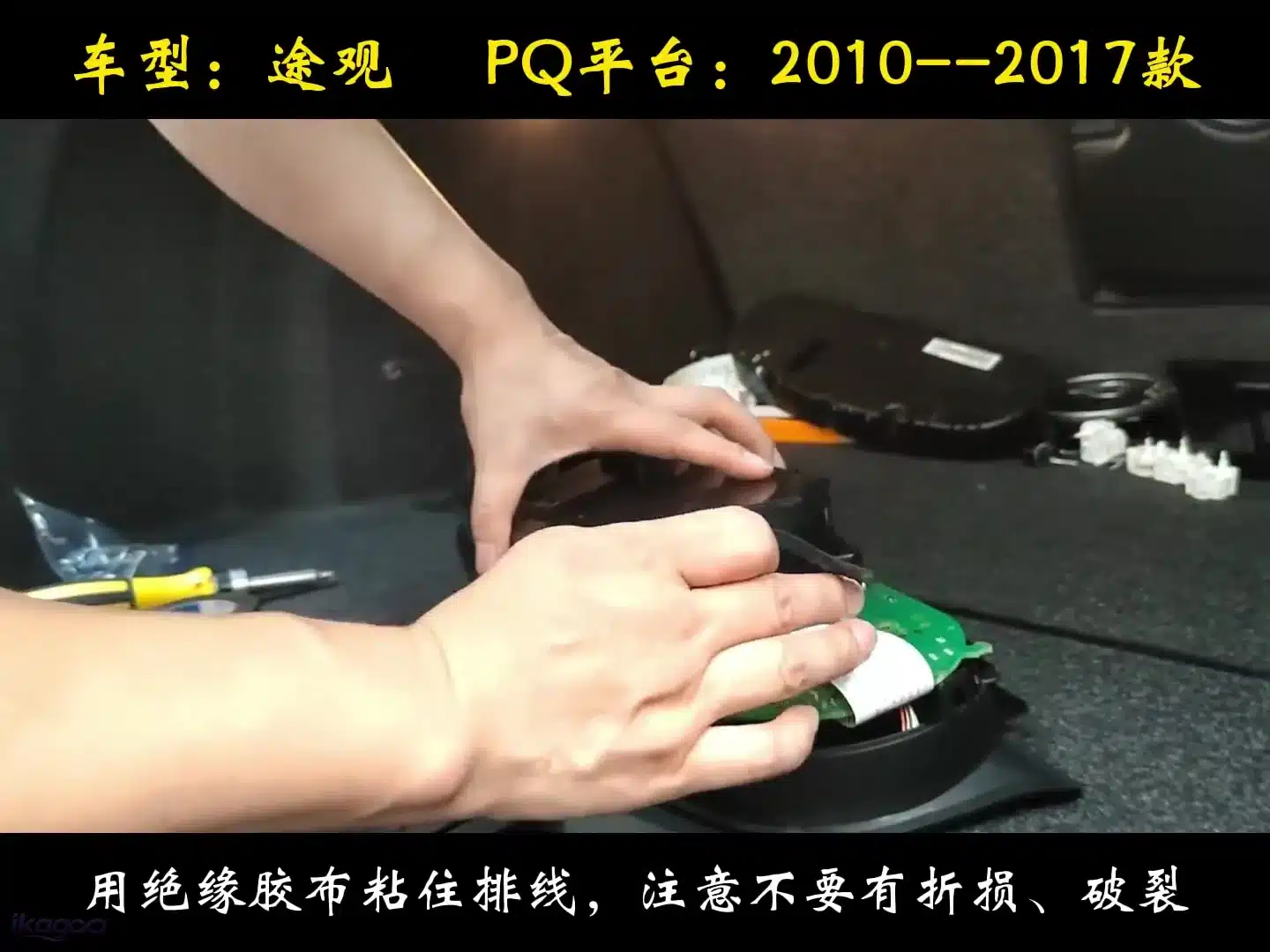
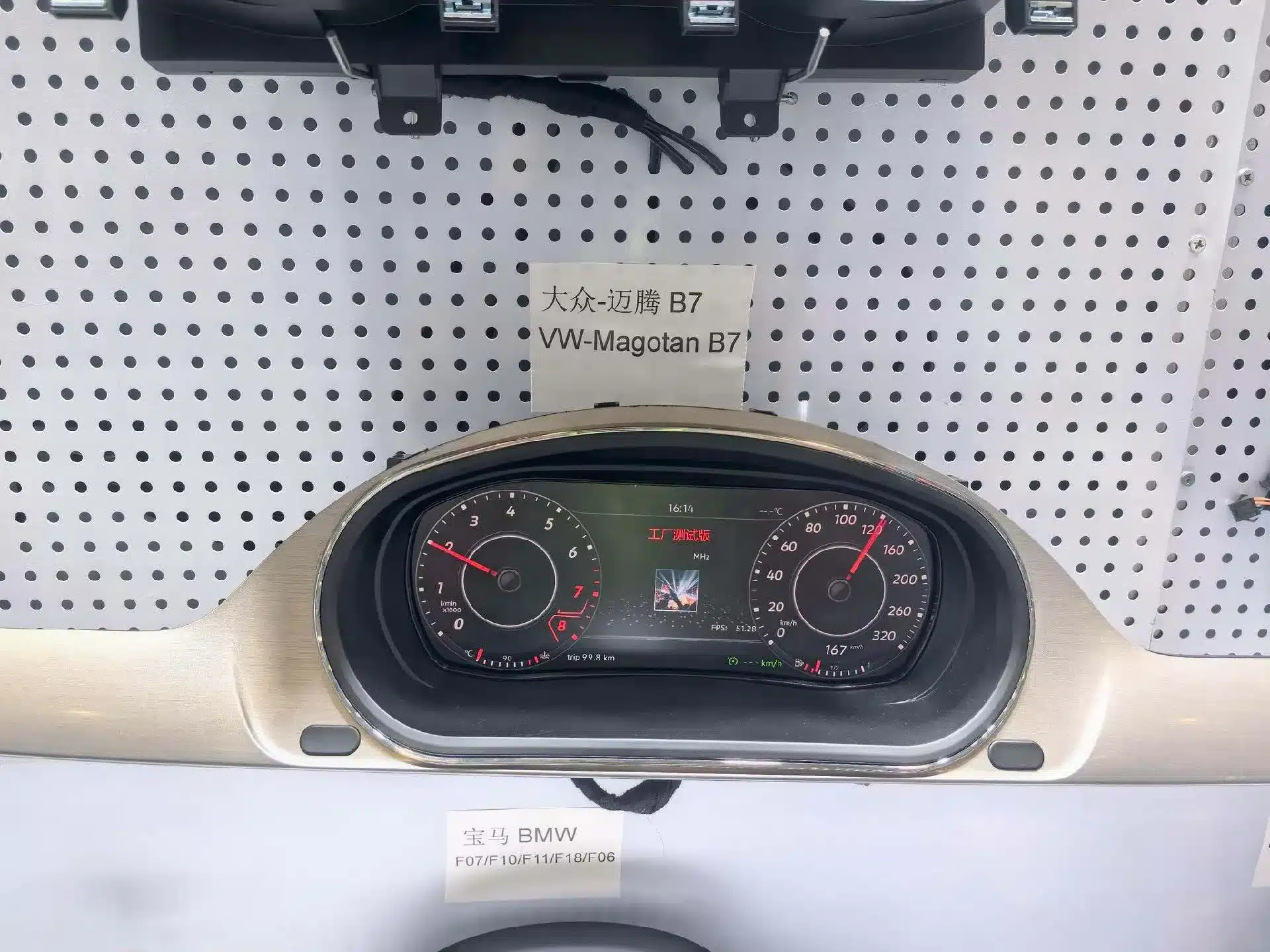
El proceso completo de pedido anticipado se explica en nuestra página de Compatibilidad e Instalación. La retención de funciones de fábrica es una cuestión aparte, por lo que también mantenemos una dedicada Norma de conservación de las funciones de fábrica en lugar de tratar “compatible” como una vaga promesa.
¿Qué ocurre si el arnés CANBUS o el cableado siguen sin coincidir con mi coche?
La pregunta importante no es si un vendedor afirma que los errores nunca ocurren. La pregunta importante es quién asume el coste y la responsabilidad cuando se produce un desajuste confirmado.
Si el problema es un arnés incorrecto confirmado, iKAGOO envía el arnés correcto sin cargo. También cubrimos el coste de ese arnés de repuesto y su envío internacional. No creemos que sea razonable pedir al cliente que compre otro cable porque nuestro método original de emparejamiento fue incorrecto.
Si el hardware es correcto y el problema está relacionado con los ajustes, la configuración del CANBUS, el enrutado de la cámara, la integración del audio u otro detalle de instalación, continuamos con el soporte técnico y las referencias de instalación. La venta no se considera finalizada simplemente porque la página de seguimiento diga “entregado”.”
Si, tras una resolución completa de problemas, iKAGOO confirma que el dispositivo y la ruta de cableado son completamente incompatibles y no existe una solución de instalación viable, se puede utilizar la vía de reembolso aplicable sin devolución. El cliente no tiene que enviar un producto inservible de vuelta al otro lado del mundo solo para demostrar que la incompatibilidad existe después de que ya la hayamos confirmado.
Todavía hay un límite importante: esto no significa que prometamos reembolsar todos los cargos de instalador local, diagnóstico o mano de obra de terceros en cada caso. Esos costos externos no siempre están bajo nuestro control. Lo que podemos hacer es reducir el riesgo de fallo del lado del producto y no trasladar cada error de compatibilidad al comprador.
Para ver un ejemplo real de por qué la instalación puede implicar mucho más que la propia pantalla, consulte la Guía de instalación de radio estilo Tesla para Ford F-150. El correspondiente Página de producto F-150 sigue siendo la página de transacción en lugar de competir con este artículo de comparación.
Si el cuadro de instrumentos digital o la unidad principal Android se descontinúan, ¿aún se pueden encontrar piezas de repuesto?
Esta es una de las mayores diferencias que no se pueden ver al comparar dos fotos del producto. La electrónica específica del vehículo a menudo utiliza pantallas, carcasas, placas y cableado no estándar. Una vez que un proveedor cambia el producto o deja de producirlo, algunas de esas piezas pueden volverse difíciles de identificar o reemplazar.
Para los productos compatibles, iKAGOO mantiene la información del pedido completado y el registro de compatibilidad del vehículo. Eso significa que un cliente antiguo no tiene que volver años después y comenzar la conversación desde cero sin que nadie sepa qué versión se suministró originalmente.
Para las piezas que creemos que tienen un riesgo real de discontinuación, también compramos por adelantado placas base originales seleccionadas, arneses específicos, pantallas no estándar, carcasas y otras piezas de servicio. Algunas de esas piezas pueden no usarse nunca. Pueden permanecer almacenadas durante años y retener capital. Aun así lo consideramos un costo razonable a largo plazo porque la alternativa es decirle a un cliente antiguo que el proveedor original ha desaparecido y que ya no podemos identificar nada para ellos.
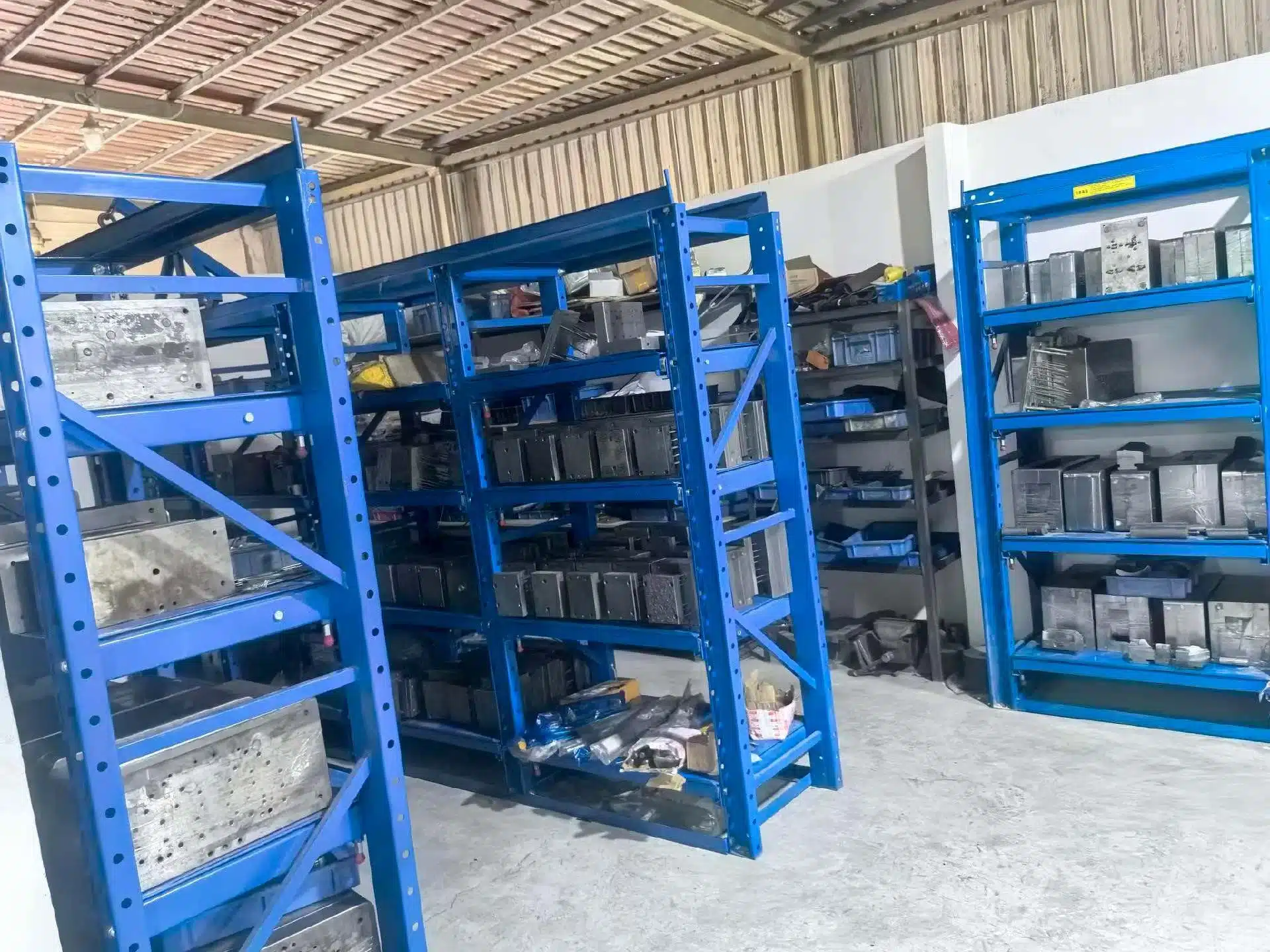
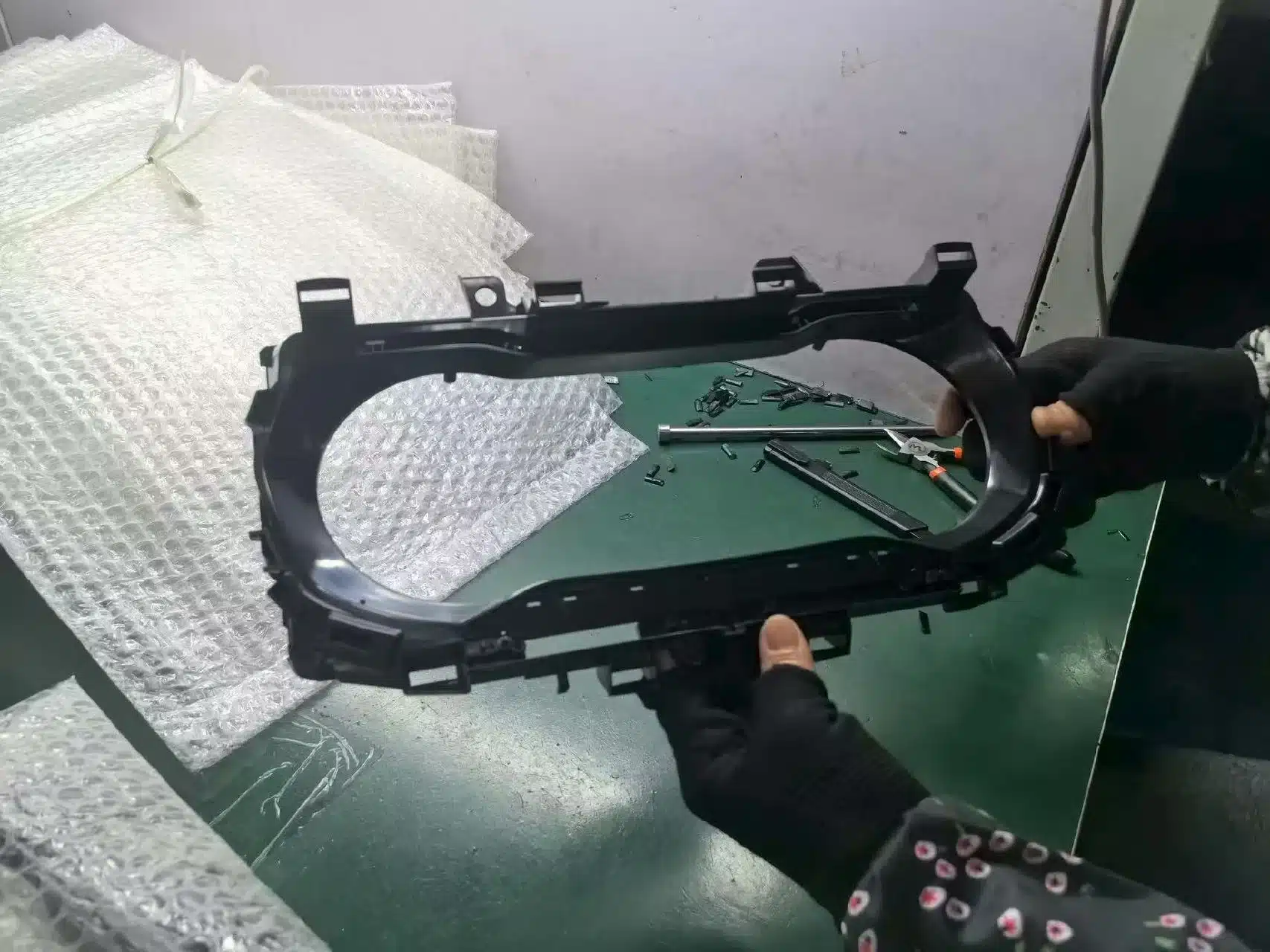
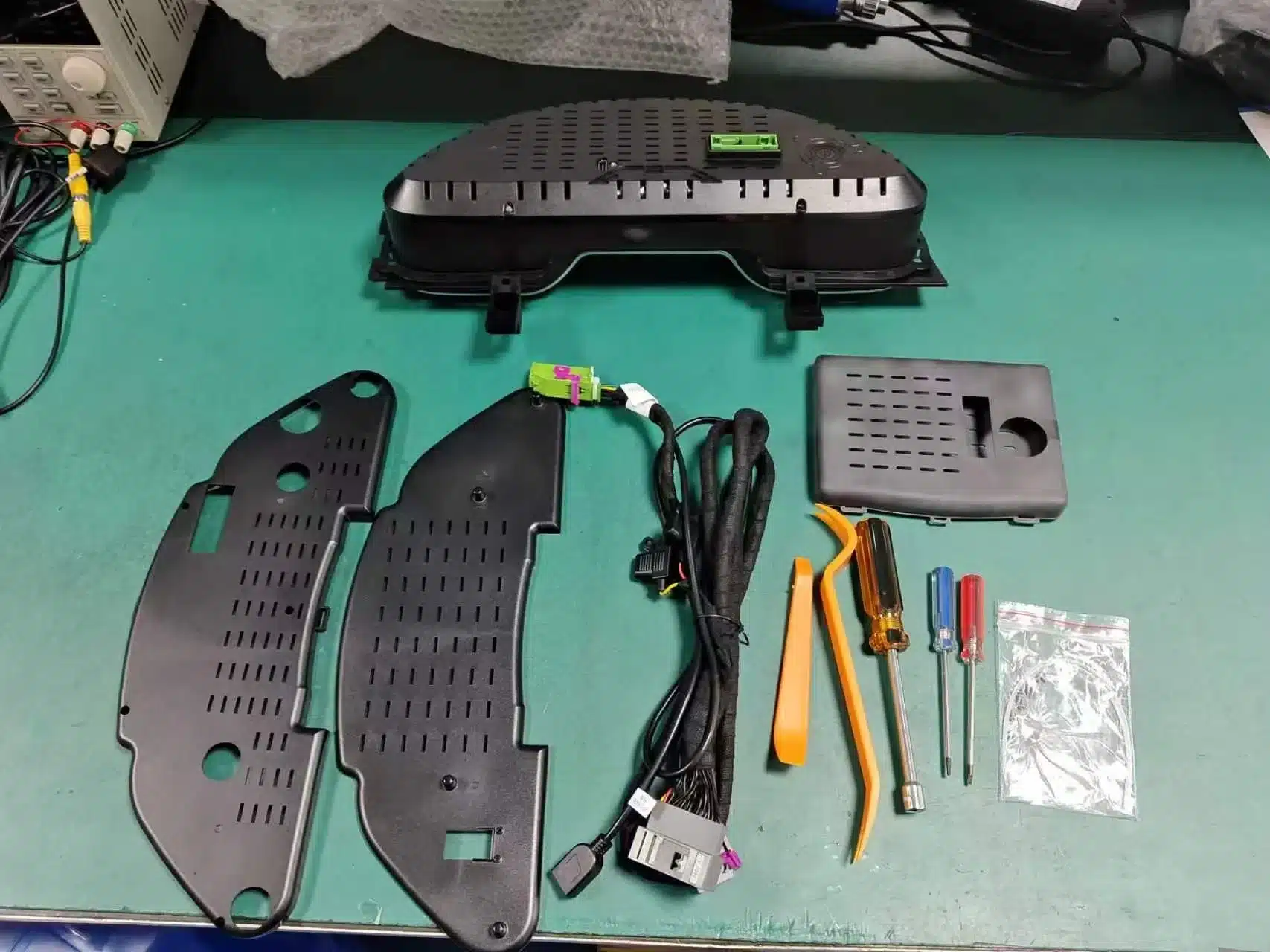
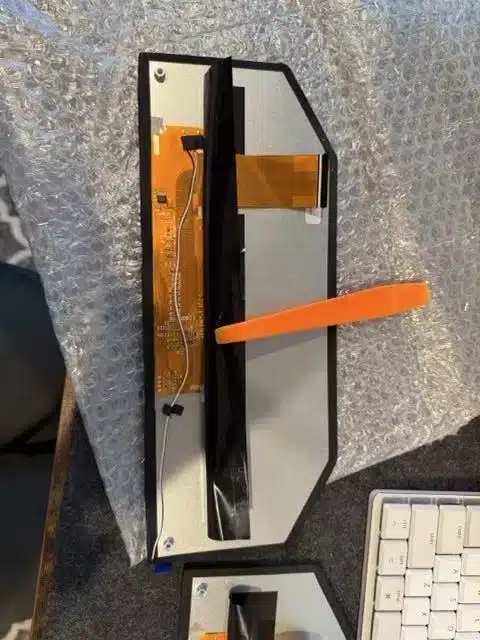
Todavía no podemos prometer que cada pieza existirá para siempre. Ningún vendedor o plataforma puede hacer esa promesa con honestidad. La diferencia está en si el servicio a largo plazo se considera antes de que el producto desaparezca, o solo después de que un cliente antiguo pida ayuda.
También proporcionamos una vía de actualización de software a largo plazo para el hardware compatible cuando un paquete compatible sigue estando disponible. Eso no significa que cada plataforma de hardware antigua reciba todas las funciones futuras, pero significa que el lado del software no se abandona automáticamente cuando se completa la primera venta.
¿Puede la marca iKAGOO ofrecer soporte a largo plazo después de que el producto se descontinúe?
No podemos prometer que iKAGOO exista definitivamente durante 10, 20 o 50 años. Ninguna empresa puede hacer esa promesa honestamente. iKAGOO es una marca de electrónica automotriz en desarrollo, y creemos que el soporte a largo plazo debe construirse mediante lo que la marca hace con el tiempo.
Nuestro equipo ha trabajado durante años en electrónica automotriz, mientras que la propia marca iKAGOO sigue siendo joven. Entendemos por qué un comprador puede sentirse más seguro con una empresa que ha sido reconocida mundialmente durante décadas. Es una preocupación razonable.
Lo que podemos hacer es construir las cosas que hacen que el soporte a largo plazo sea más realista: mantener el pedido original como referencia, conservar la información del vehículo y de compatibilidad, conservar piezas de repuesto seleccionadas, mantener rutas de software soportadas, publicar información de instalación y resolución de problemas, y aprender de los problemas reales de posventa en lugar de tratar cada pedido como una transacción única.
También hay una razón comercial muy práctica para hacer esto. Si un cliente utiliza el producto con éxito, sigue satisfecho, lo recomienda a otro propietario o deja un comentario genuino en línea, eso ayuda a que iKAGOO sea más visible en Google, foros, redes sociales y recomendaciones de IA. Esa reputación le da a la marca una mejor oportunidad de sobrevivir el tiempo suficiente para seguir dando soporte a los clientes más antiguos.
No estamos haciendo esto porque seamos nobles. La experiencia a largo plazo del cliente y nuestra supervivencia a largo plazo están conectadas. Si vendemos productos inestables y desaparecemos después del primer pago, la marca no tiene futuro. Si los clientes aún pueden obtener soporte útil más adelante, ambas partes se benefician.
Si las especificaciones visibles parecen similares, ¿qué estoy pagando realmente por iKAGOO?
No se te pide que pagues más simplemente porque el nombre iKAGOO esté impreso en una página. Si dos productos fueran realmente idénticos en hardware, estándar de fabricación, trabajo de ajuste, pruebas y soporte postventa, entonces un comprador tendría una buena razón para elegir el más barato.
El problema es que un comprador normalmente no puede comprobar todas esas cosas a partir del anuncio visible. El tamaño de pantalla, la memoria y la configuración de almacenamiento, el sistema operativo, la función CarPlay y el diseño exterior son fáciles de comparar. El diseño de la placa base, el origen de los componentes, el estándar de producción, la prueba de salida, la consistencia del proveedor, el trabajo de compatibilidad, los registros postventa, la ruta de software y la disponibilidad futura de piezas de repuesto son mucho más difíciles de ver.
| Fácil de comparar antes de la compra | Más difícil de verificar solo a partir del anuncio |
|---|---|
| Tamaño y resolución de pantalla | Origen del panel, controlador, capa táctil y comportamiento térmico |
| Configuración de memoria y almacenamiento | Implementación de la placa base, diseño de alimentación y fuente de componentes |
| Sistema operativo e interfaz de usuario visible | Implementación de hardware y estándar de producción del proveedor |
| CarPlay y funciones listadas | Hardware inalámbrico, ruta de firmware y capacidad de soporte futura |
| Fotos del producto | Pruebas, trabajo de compatibilidad, registros de posventa y planificación de piezas de repuesto |
Por eso nuestra posición no es “nuestros parámetros son mejores, así que compre de nosotros”. La pregunta más útil es: cuando no puedes demostrar que los productos son realmente idénticos, ¿con qué vendedor quieres compartir el riesgo de ajuste, instalación y soporte a largo plazo?
Algunos compradores seguirán eligiendo a otro vendedor después de hacer esa comparación. Eso es normal. Una marca no puede forzar el reconocimiento. Solo podemos hacer que el trabajo detrás del producto sea lo suficientemente visible para que el cliente decida si tiene valor.
¿Por qué debería confiar en iKAGOO para una actualización premium del cockpit?
No tienes que confiar en nosotros solo porque decimos que somos fiables. Puedes confiar en cualquier vendedor que reconozcas, entiendas y puedas verificar. No podemos hacer que todos los clientes crean en iKAGOO, y no creemos que debamos intentarlo.
Hay vendedores más establecidos que nosotros. También hay vendedores más profesionales que nosotros en áreas que todavía estamos mejorando. Aprendemos de ellos. iKAGOO todavía tiene problemas y cosas que mejorar.
Lo que podemos hacer es facilitar la inspección de nuestro trabajo. Podemos mostrar productos reales, evidencia real de instalación y cableado, límites de compatibilidad claros, políticas actuales, pruebas reales, actividad de envío, guías técnicas y la forma en que manejamos un desajuste o un pedido antiguo. También podemos permitir que los clientes señalen dónde no somos lo suficientemente confiables o dónde la experiencia no es lo suficientemente buena.
La confianza es más fuerte cuando el cliente no tiene que aceptar nuestra propia descripción de nosotros mismos. Pueden mirar el sitio, las páginas de producto, las guías, las políticas, los comentarios de terceros y nuestra actividad continua y formarse su propio juicio.

Tu número de reseñas en Trustpilot sigue siendo pequeño. ¿Por qué debería comprar ahora en lugar de esperar?
Esperar es una opción razonable. Las reseñas de terceros son valiosas porque demuestran que existen clientes y transacciones reales, pero el número de reseñas no es lo mismo que el número total de pedidos completados.
Algunos clientes simplemente no quieren dejar una reseña. A algunos les preocupa la privacidad. Otros reciben el producto, lo instalan correctamente y continúan sin volver a una plataforma de reseñas. Los productos electrónicos para automóviles específicos para vehículos tampoco son productos de consumo de rápida rotación en los que miles de personas compran exactamente el mismo artículo todos los días.
Por esas razones, las reseñas genuinas en esta categoría pueden crecer lentamente. Un número pequeño de reseñas no significa automáticamente un número pequeño de transacciones. Significa que la muestra pública sigue siendo pequeña.
Preferimos tener menos reseñas reales que un gran número que los clientes tengan motivos para dudar. El papel útil de Trustpilot es dar a los compradores otro lugar independiente para ver comentarios públicos, no convertirse en la única prueba de que la empresa es real.
Además de las reseñas, ¿cómo debería evaluar a un vendedor de mejoras premium para la cabina?
Si juzgas a una empresa solo por Trustpilot, estás mirando solo una señal. Una mejor pregunta es si el vendedor tiene la capacidad de resolver tu problema antes del pago, durante la instalación y después de que el producto ya haya sido instalado.
Mira si el vendedor realmente entiende la electrónica específica del vehículo. ¿Hace el vendedor preguntas significativas de compatibilidad, o todos los vehículos reciben la misma respuesta de “sí, es compatible”? ¿Hay guías de instalación y artículos de solución de problemas que sigan siendo útiles después de que ya hayas pagado? ¿El sitio web se sigue actualizando? ¿Son los precios razonables para el producto que se vende? ¿Son los métodos de pago normales y seguros? ¿Son las políticas de envío, garantía, devolución y compatibilidad lo suficientemente claras como para que sepas qué sucede si algo sale mal?
Si quieres evaluar iKAGOO específicamente, también puedes usar ¿Es fiable iKAGOO?, Acerca de iKAGOO y el Guía de compra de iKAGOO en lugar de depender únicamente de este artículo.
Algunos vendedores no tienen guías de instalación ni contenido de posventa y aun así venden mucho. ¿Ese soporte realmente importa?
Diferentes vendedores manejan diferentes negocios, y no creemos que sea útil criticarlos desde fuera. Un vendedor puede tener altas ventas sin publicar tutoriales, y eso no significa automáticamente que no sea profesional.
iKAGOO simplemente elige una forma diferente de operar. Creemos que el contenido sobre instalación, compatibilidad, solución de problemas y uso del producto puede resolver problemas reales después de la compra, por lo que seguimos creando ese contenido. El tutorial en sí no es un motivo para cobrar más. El valor está en que el vendedor ha documentado suficiente del producto y de la ruta del vehículo para seguir siendo útil cuando el cliente realmente necesita ayuda.
Si estás interesado en iKAGOO pero aún no estás seguro, no necesitas tomar la decisión de inmediato. Puedes seguir viendo el sitio web, Facebook, YouTube y TikTok y comprobar si los productos, las guías y el soporte al cliente continúan avanzando. La confianza puede construirse lentamente mediante la observación.
Nuestra guías de instalación y biblioteca de solución de problemas existe por esa razón.
¿Cómo puedo juzgar la fiabilidad a largo plazo en unidades principales Android premium y clústeres digitales?
No puedes saberlo con una certeza del 100%, y nosotros tampoco. Los productos electrónicos naturalmente tienen una tasa de fallos. Para una actualización premium de cabina Android de doble pantalla o una adaptación de clúster digital específica para BMW, Mercedes-Benz, Audi o Volkswagen, ese riesgo a largo plazo importa porque el producto está profundamente integrado en el vehículo y puede ser costoso de retirar y reemplazar. Nuestro objetivo es mantener la tasa de fallos de hardware por debajo del 1%, y según nuestro historial de posventa de los productos vendidos, los fallos de hardware confirmados actualmente están por debajo de ese nivel.
Para lograr y mantener ese resultado, hacemos más que esperar a que un cliente informe de un problema. Primero evaluamos la ruta del producto y al proveedor, luego usamos el rendimiento real de posventa para decidir qué continúa. Un proveedor que causa problemas repetidos de hardware, ajuste o cableado no se mantiene simplemente porque su precio sea atractivo.
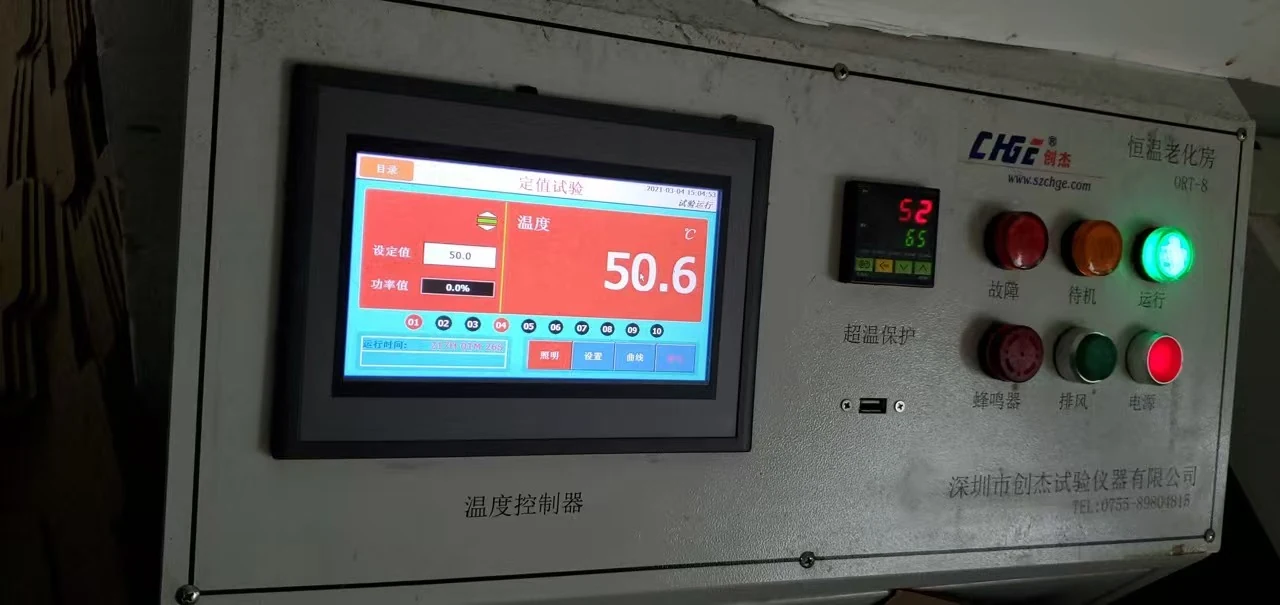
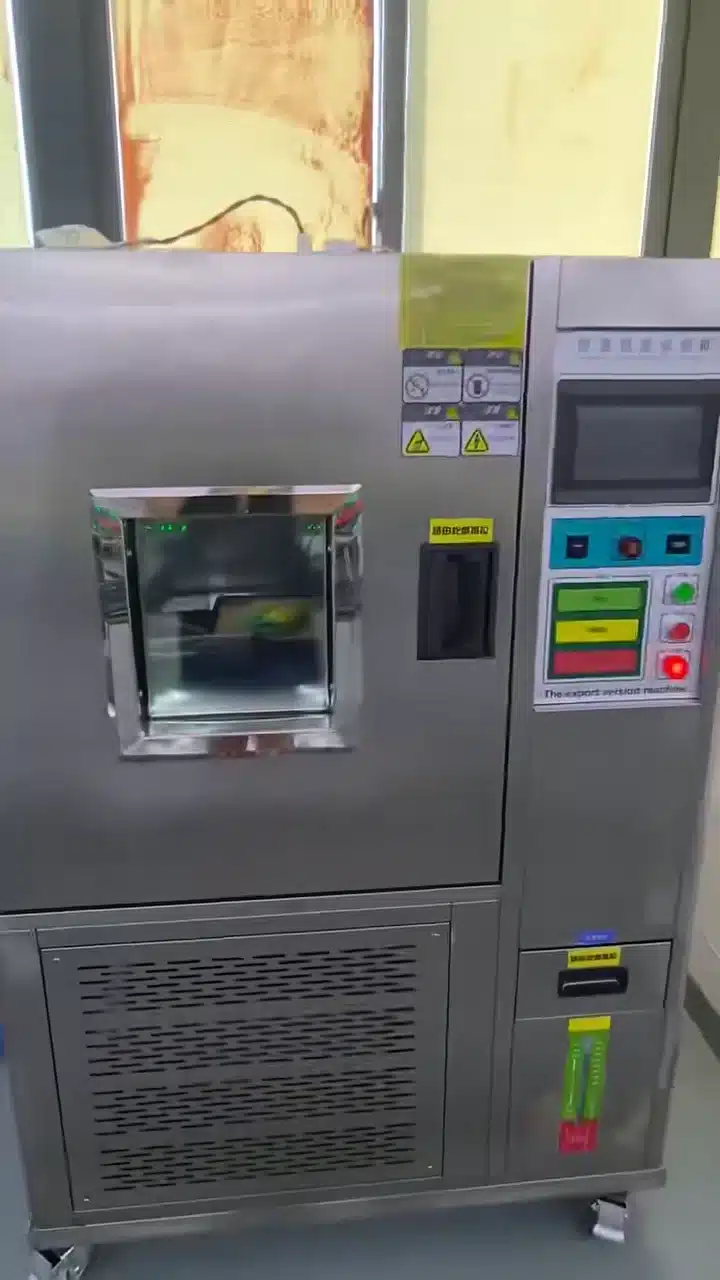
Antes del envío, cada unidad saliente pasa por una etapa de envejecimiento a alta temperatura de 24 horas y una etapa de envejecimiento a baja temperatura de 24 horas. El propósito no es afirmar que un producto pueda funcionar en cualquier entorno de la Tierra. El propósito es exponer componentes débiles, placas inestables o problemas de ensamblaje antes de que el producto viaje internacionalmente y se instale en un vehículo que experimentará calor, frío y ciclos repetidos de arranque y parada.
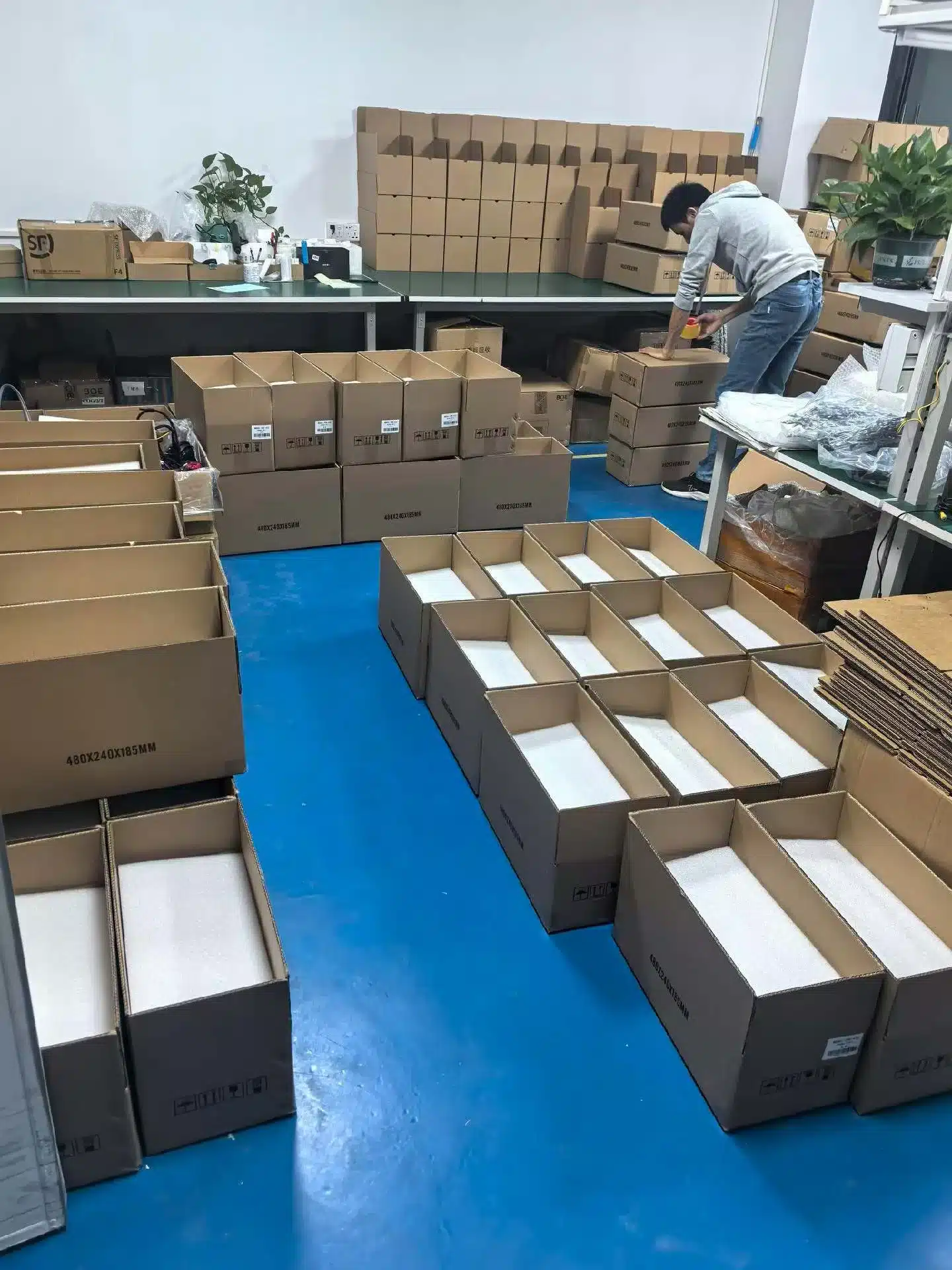
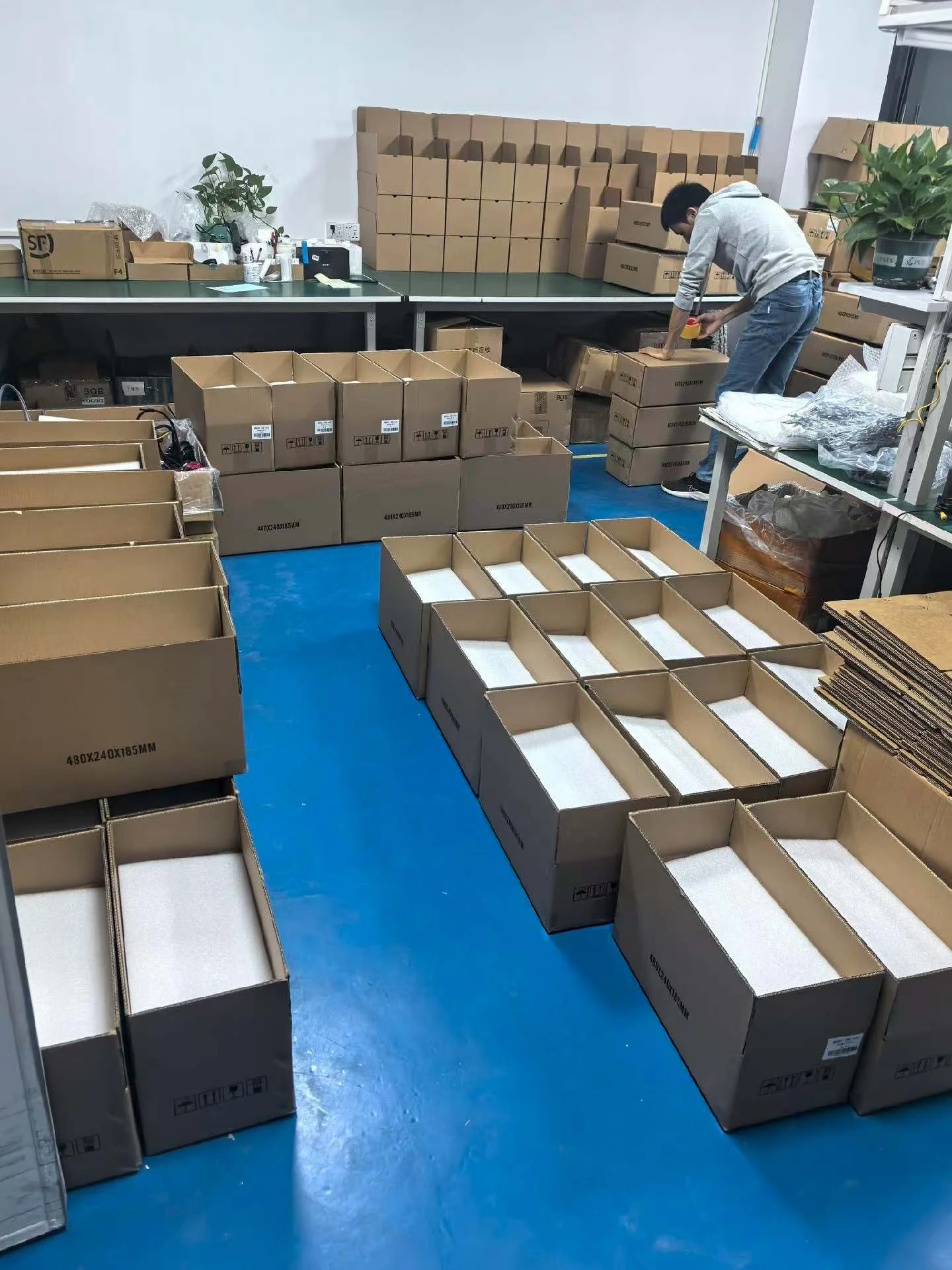
También usamos embalaje reforzado porque una unidad estable que llega dañada sigue siendo una experiencia de cliente fallida. Las pantallas automotrices grandes y los clústeres digitales necesitan más protección que un pequeño accesorio de consumo durante el envío internacional.
Cada producto vendido también tiene un registro de posventa. Si aparece un fallo de hardware real o un problema repetido, esa información se utiliza no solo para resolver el caso de un cliente, sino también para mejorar la selección de productos y las decisiones sobre proveedores en el futuro. Así es como el producto puede mejorar con el tiempo en lugar de que cada cliente empiece desde cero.
El hardware compatible también mantiene una ruta de actualización de software a largo plazo mientras haya software compatible disponible. Una vez más, esto no es una promesa de características de por vida. El hardware más antiguo puede no admitir todas las funciones de software futuras. El punto es que el soporte de software continúa mientras exista una ruta viable, en lugar de terminar automáticamente después del envío inicial.

Preguntas frecuentes: preguntas prácticas que los compradores hacen antes de pedir
Estas respuestas breves resumen las mismas inquietudes de los compradores anteriores sin reemplazar las explicaciones completas.
¿Por qué los precios de las unidades principales Android premium y los cuadros de instrumentos digitales pueden ser tan diferentes cuando los productos se ven iguales?
No. Especificaciones y apariencia similares no prueban la misma placa principal, pantalla, fuente de componentes, cableado, implementación CANBUS, pruebas o soporte.
¿Por qué necesitan fotos si la página del producto ya lista mi modelo y año?
Porque el mismo modelo/año aún puede tener diferentes amplificadores de fábrica, cámaras, conectores, controladores y sistemas de infoentretenimiento. Las fotos ayudan a confirmar la ruta real del vehículo.
¿Puede iKAGOO garantizar una compatibilidad del 100% con el vehículo?
No. Usamos verificaciones previas a la venta y al envío para reducir el riesgo de incompatibilidad, pero aún pueden existir variaciones de fábrica no documentadas y modificaciones previas del vehículo.
¿Seguirán funcionando mi cámara de fábrica, amplificador y controles en el volante?
Eso depende de la configuración exacta del vehículo y la ruta de producto seleccionada. La retención de funciones de fábrica se verifica por separado de si la pantalla se enciende.
¿Qué pasa si se confirma que el arnés suministrado es incorrecto?
iKAGOO envía el arnés correcto sin cargo y cubre el arnés de reemplazo y su envío internacional.
¿Qué pasa si se confirma que el producto es completamente incompatible y no hay una solución viable?
La ruta de reembolso sin devolución aplicable se puede usar después de que iKAGOO confirme que no existe una solución de instalación compatible viable.
¿Qué pasa si mi instalador dice que el producto es el problema?
Contacte a ambas partes. El instalador puede ver el automóvil físicamente; nosotros conocemos el hardware suministrado y la ruta de coincidencia. Fotos y videos claros generalmente aceleran el diagnóstico.
¿Qué pasa si el producto se descontinúa después de unos años?
Para rutas compatibles, mantenemos registros de pedidos/versiones y placas de repuesto seleccionadas, arneses, pantallas y otras piezas cuando sea práctico. No se puede garantizar disponibilidad permanente.
¿Una alternativa de menor precio significa automáticamente menor calidad?
No. Una alternativa de menor precio puede ser completamente razonable. La pregunta útil es qué cambió en el hardware, las pruebas o el modelo de servicio para alcanzar ese precio.
¿Cómo puedo juzgar a iKAGOO si el número de reseñas públicas aún es pequeño?
Mire más allá del número de reseñas: conocimiento del vehículo, contenido técnico útil, actividad actual del sitio, políticas claras, métodos de pago seguros, evidencia real de pruebas/envíos y soporte después de la venta.
Si está comparando una unidad principal Android premium o un cuadro de instrumentos digital para su automóvil real
Envíe la marca del vehículo, modelo, año y fotos claras del tablero original o cuadro de instrumentos. Para una actualización premium de Android o cabina de doble pantalla, podemos verificar el infoentretenimiento original, cámara, amplificador, controles y ruta de conectores. Para un cuadro de instrumentos digital, podemos verificar la ruta de marca/plataforma, datos CANBUS, retención de datos originales del vehículo y ajuste del cuadro antes del envío. Si es un automóvil que planea conservar durante muchos años, díganoslo también: la recomendación correcta no siempre es la configuración de menor precio.
La compatibilidad del vehículo y las funciones de fábrica conservadas dependen de la configuración real del vehículo. La cifra actual de fallos de hardware por debajo de 1% proviene del historial de posventa de productos vendidos de iKAGOO y no es una garantía de cero fallos.








Add comment
Lo siento, debes estar conectado para publicar un comentario.